High-Tech Snow Blowers: From Single-Stage to Three-Stage Systems for Efficient Winter Cleanup
Winter in the United States brings varied snow conditions, from flurries in Atlanta and Dallas to heavy blizzards in Buffalo, Chicago, and Boston. These challenges make efficient snow removal essential for safety and accessibility. High-tech snow blowers have become indispensable for American homeowners, featuring powerful engines, LED headlights, heated handles, and user-friendly controls. These features allow residents across the United States to clear snow more quickly, reducing effort and time outdoors.
Snow blowers come in single-stage, two-stage, and three-stage systems, each suited to different snow depths. Cities like Minneapolis or Denver benefit from powerful three-stage machines, while lighter snow in Portland or Seattle may require single-stage models. Understanding these options helps United States homeowners choose the right equipment for stress-free winter cleanup.
Understanding What Does “Stage” Mean in a Snow Blower?
When you hear the word “stage” in snow blowers, it refers to how many steps the machine uses to collect and throw snow. More stages usually mean more power and better performance in tougher winter conditions. Below is a simple explanation of each type.
1-Stage Snow Blower
A 1-stage snow blower uses a single auger to scoop and throw snow in one motion. The auger touches the ground, helping move the machine forward. It’s best for light snow on paved driveways, but struggles with gravel or heavy ice.
Key Modern Components:
-
Single Auger with Serrated Edges: Improves cutting through light ice or compact snow.
-
Friction Drive System: Transfers power from the engine to the wheels, often enhanced for smoother operation.
-
LED Work Lights: Helps with visibility in early mornings or low-light conditions.
-
Heated Handle Grips: Adds operator comfort in extreme cold.
2-Stage Snow Blower
A 2-stage snow blower has an auger to gather snow and an impeller to throw it farther. Engine-powered wheels make it easier to push, even on slopes. It handles deeper, wet, or packed snow and works well for larger driveways.
Key Modern Components:
-
Impeller with Improved Throw Distance: Propels snow farther than standard impellers.
-
Hydrostatic Transmission / Advanced Drive System: Provides variable speed control for better maneuverability and efficiency.
-
Adjustable Auger Housing Height (for track-drive models): Lets you optimize clearance and “bite” for different surfaces.
-
Chute Control / Deflector with Precision Rotation: Offers more precise snow direction control.
3-Stage Snow Blower
A 3-stage snow blower adds an accelerator to break up and throw snow faster. It reduces clogging and works efficiently in heavy, icy, or deep snow. This type is ideal for big storms, long driveways, and harsh winter conditions.
Key Modern Components:
-
Accelerator / Accelerator Fan: Breaks up dense or icy snow before it reaches the impeller, increasing throughput.
-
High-Performance Impeller: Propels snow at maximum distance, ideal for large driveways.
-
Hydrostatic / Heavy-Duty Drive System: Provides extra traction and maneuverability on uneven or icy surfaces.
-
Electronic Fuel Injection (EFI): Ensures easy starts and consistent performance in extreme cold.
-
Power Steering / Trigger Steering: This feature makes handling large blowers easier and reduces operator fatigue.
-
Premium Gearbox & Worm Gear Assemblies: Enhance durability and reduce wear in heavy-duty snow clearing operations.
Check out the top 10 snow blower accessories that make winter cleanup easier and more efficient.
Single-Stage Snow Blowers: Simplicity Meets Efficiency
Single-stage snow blowers are compact machines designed for straightforward snow removal. They combine ease of use with reliable performance for light to moderate winter conditions.
How Single-Stage Machines Work
-
Single Auger Design: Uses one spiral steel auger, typically 20–28 inches wide, that both scoops and throws snow in a single motion.
-
Auger Speed & Ground Contact: The auger rotates at approximately 200–300 RPM, riding 2–3 mm above the surface, which allows the machine to pull itself forward at roughly 0.5–1 m/s.
-
Engine Power: Gas models usually have 4–6 HP engines, while electric models range 1.5–2.5 kW, providing enough force for light snow removal.
-
Discharge Distance: Throws snow up to 3–4 meters, depending on snow type and chute angle.
-
Weight & Maneuverability: Weighs 25–45 kg, making it compact, easy to handle, and ideal for small storage spaces.
|
Ideal Use Case |
Advantages |
Limitations |
|
Effective for snow up to 20–30 cm, typical of mild winter regions. |
Easy to push and turn, even in tight spaces. |
Lacks an impeller, reducing throwing distance and snow-handling capacity. |
|
Perfect for short driveways, sidewalks, patios, or decks. |
Fewer moving parts reduce the need for frequent repairs. |
Not suitable for gravel, uneven, or very rough surfaces. |
|
Works best on paved surfaces. |
Direct ground contact leaves a clean, smooth surface. |
Most models are not self-propelled, requiring the user to push the machine. |
|
Affordable initial cost and low operating cost. |
Small size and weight allow easy storage and transport. |
Snow deeper than 30 cm or heavy ice buildup can significantly reduce performance. |
|
Quiet operation (<80 dB) makes it ideal for neighborhoods. |
Especially electric models, suitable for early morning use. |
Typically offers a 20–28 inch clearing width, meaning larger areas take more time to clear. |
2-Stage Snow Blowers: Power And Versatility
2-stage snow blowers are designed for homeowners and small businesses who face moderate to heavy snowfall. They combine power and precision, making snow removal faster, easier, and more efficient than single-stage models.
How 2-Stage Machines Work
-
Dual-Action Design: Uses an auger to gather snow and a separate impeller to throw it farther, effectively processing snow in two steps.
-
Engine & Wheel Power: Gas engines typically range 6–11 HP, while electric/hybrid models can provide 3–5 kW. The engine also powers the wheels, allowing speeds of 1–2 m/s on flat surfaces and maintaining traction on slopes up to 20°–25°.
-
Auger & Impeller Specs: Augers are generally 25–32 inches wide, with impellers spinning at 600–900 RPM, enabling throw distances up to 10–12 meters.
-
Weight & Size: These machines weigh 70–120 kg, offering stability in deeper snow while remaining maneuverable with power steering on some models.
-
Clearing Capacity: Can handle 30–60 cm of snow per pass, depending on density and wetness.
|
Ideal Use Cases |
Advantages |
Limitations |
|
Handles typical snowfalls up to 50–60 cm efficiently, including wet or partially icy snow. |
Dual-stage design moves snow faster and throws it farther than single-stage models. |
Weighing up to 120 kg, it is not ideal for very small areas or tight corners. |
|
Perfect for longer driveways, sidewalks, or multiple connected paths. |
Engine-driven wheels reduce manual effort, especially on slopes. |
Typically $700–$2,000, making them a larger investment than single-stage units. |
|
Effective on paved, concrete, and even gravel driveways with adjustable skid shoes. |
Can safely clear paved and gravel surfaces with adjustable skids. |
A larger size requires more garage or shed space. |
|
Ideal for homes in snowy regions or small businesses needing reliable snow clearing. |
Dual-stage design prevents clogging from dense snow. |
More moving parts (impeller, gearbox, drive system) increase potential repair needs. |
|
Durable design tolerates repeated use during storms without clogging. |
Impeller allows snow to be thrown up to 12 meters, making it ideal for larger yards. |
Gas models often exceed 85–90 dB, which can disturb neighbors in quiet areas. |
3-Stage Snow Blowers: Maximum Power and Efficiency
3-stage snow blowers are built for extreme winter conditions, tackling deep, heavy, and wet snow with ease. These machines combine an auger, accelerator, and impeller to clear snow faster and more efficiently than single- or dual-stage models.
How 3-Stage Machines Work
-
Triple-Action Design: Features a single auger to gather snow, a high-speed accelerator to break it up, and an impeller to throw it at long distances, making clearing faster and reducing clogging.
-
Engine & Power Specs: Gas engines typically range 8–13 HP, while hybrid/electric models offer 4–6 kW. Wheel-driven with speeds up to 1.5–2.5 m/s, and traction maintained on slopes up to 25°–30°.
-
Auger, Accelerator & Impeller Specs: Augers are 28–36 inches wide, accelerators spin at 1000–1200 RPM, and impellers throw snow up to 15 meters, efficiently handling wet, icy, or heavy snow.
-
Weight & Size: Weigh 90–150 kg, providing stability in deep snow while advanced steering systems maintain maneuverability.
-
Clearing Capacity: Can handle 50–90 cm of snow per pass, suitable for extreme snowfalls and storm-prone regions.
|
Ideal Use Cases |
Advantages |
Limitations |
|
Handles snowfalls up to 90 cm, including wet, icy, and plow-packed snow. |
Triple-stage mechanism moves and throws large volumes of snow faster. |
Weighs 90–150 kg, making storage and maneuvering in tight spaces challenging. |
|
Perfect for long driveways, large sidewalks, parking lots, and commercial properties. |
Wet, icy, and compacted snow cleared with minimal clogging. |
Typically $1,500–$3,500, making it a significant investment for residential use. |
|
Works efficiently on paved, concrete, and gravel surfaces using adjustable skid shoes. |
Impeller can throw snow up to 15 meters, efficiently clearing larger areas. |
More moving parts (accelerator, impeller, gearbox) require regular checks and lubrication. |
|
Ideal for storm-prone regions, commercial snow removal, or heavy residential use. |
Engine-driven wheels and optional power steering reduce effort on slopes and uneven surfaces. |
Gas models often exceed 90 dB, which may disturb neighbors in residential areas. |
|
Reduces clearing time by up to 50% compared to two-stage models, thanks to the accelerator. |
Heavy-duty steel augers, accelerators, and impellers ensure long-term reliability. |
Inefficient and unnecessary for small driveways or areas with mild snowfall. |
Also, check out the future of snow removal, exploring advanced snow blower technology and innovations.
Innovations and High‑Tech Trends in Snow Blower Design
Modern snow blowers are integrating advanced technologies and optimized components to make winter cleanup faster, safer, and more efficient:
-
Autonomous Snow Clearing: Uses GPS, cameras, and AI to map properties and detect obstacles, enabling fully hands-free operation.
-
Smart Scheduling & Predictive Operation: Starts automatically based on real-time weather data, optimizing clearing paths.
-
IoT & Remote Monitoring: Connectivity lets users track battery life, motor performance, and maintenance alerts remotely.
-
Advanced De‑icing Integration: Combines snow clearing with precise, eco-friendly anti-icing applications.
-
All-Weather Navigation Sensors: LiDAR, radar, and infrared systems enhance performance in low visibility or harsh conditions.
-
Electric/Hybrid Power Systems: High-capacity batteries and hybrid motors offer longer runtimes, quieter operation, and reduced emissions.
-
Modular Multi-Function Attachments: Interchangeable components allow snow blowers to serve multiple purposes year-round.
The Future of Snow Removal: Why High-Tech Snow Blowers Are Worth the Investment
High-tech snow blowers are transforming winter cleanup, making it faster, safer, and more efficient than ever. With advanced features like AI-assisted navigation, electric powertrains, and modular components, these machines offer convenience and reliability for both residential and commercial users. Investing in modern snow removal technology ensures preparedness for even the harshest winter conditions.
Key Takeaways:
-
AI-Powered Clearing: Autonomous snow blowers map and clear properties with minimal human input.
-
Hybrid & Electric Efficiency: Reduced emissions, quieter operation, and longer runtimes than traditional gas models.
-
Smart Multi-Function Components: Interchangeable attachments extend use beyond snow removal.
-
Predictive Weather Integration: Automatically adjusts clearing schedules based on real-time forecasts.
-
Advanced Terrain Adaptation: Sensors optimize performance on slopes, gravel, and icy surfaces.
Modern snow blowers combine power, intelligence, and versatility to revolutionize snow removal. From AI-assisted automation to eco-friendly designs, they offer unmatched convenience. Investing in high-tech models prepares homeowners for winters of any intensity.
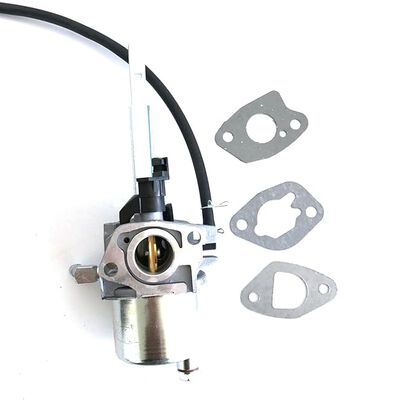
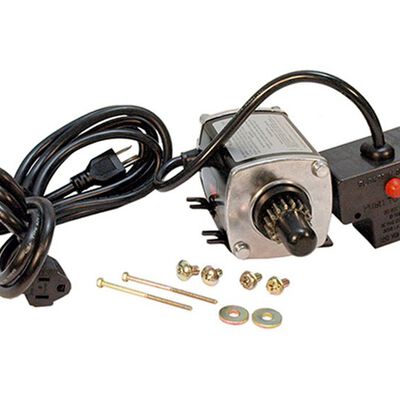
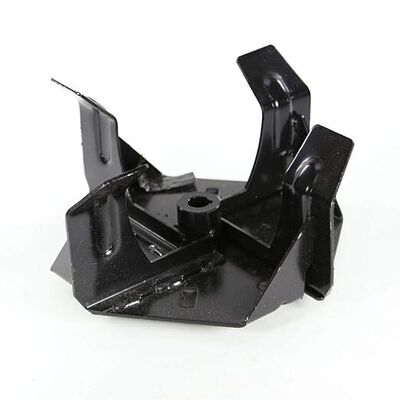
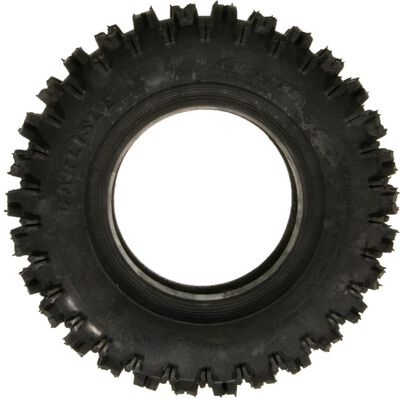
Looking for replacement parts to fix your snow blower? WholeToolBox offers essential components like augers, starter motors, and chute control assemblies to keep your machine running smoothly. Find parts from top brands like Honda, Kawasaki, and MTD for quality and durability to maintain peak performance.
References:
https://melsafetyinstitute.org/wp-content/uploads/2023/07/MSI-Shift-Briefing-Snow-Blower-Best-Practices.pdf
https://www.cpsc.gov/Newsroom/News-Releases/2024/Let-it-Snow-and-Play-it-Safe-This-Winter-CPSC-Offers-Tips-to-Prevent-Injuries-While-Enjoying-Outdoor-Activities
https://www.pcva.org/pcva-news/snow-shoveling-and-snow-blower-safety-tips
FAQs
Why do I need to update the software or firmware of a high-tech snow blower?
Updates improve navigation algorithms, obstacle detection, and battery efficiency. They ensure safe and optimized operation over time.
Why choose modular or multi-function snow blowers?
Interchangeable parts let you use the machine year-round for leaf removal, debris clearing, or even light landscaping. This adds value beyond winter use.
How do high-tech snow blowers save long-term maintenance costs?
Smart sensors and automated operation reduce wear and tear. Reduced manual strain on parts leads to fewer repairs over time.
How do autonomous snow blowers improve safety for homeowners?
They minimize time spent outside in extreme cold or icy conditions. Sensors detect obstacles, preventing accidents and property damage.