7 Common Southland Rototiller Problems And How to Fix Them Fast
A Southland rototiller is a reliable tool for preparing garden beds, breaking compacted soil, and mixing compost into the ground. Like any gas-powered machine, however, it can develop problems over time. Issues such as a hard-to-start engine, worn tiller drive belts, oil leaks, or damaged tines can interrupt your work and reduce the tiller's performance.
The good news is that many common Southland rototiller problems can be diagnosed and repaired without professional assistance. Understanding how the tiller works, identifying early warning signs, and replacing worn lawn tiller parts when needed can help you fix minor issues before they become expensive repairs.
In this blog, you'll learn how a Southland rototiller operates, the most common problems owners experience, step-by-step repair methods, and maintenance tips to keep your machine running efficiently for years.
Understanding How a Southland Rototiller Works
A Southland rototiller uses engine power to rotate its tines, breaking up compacted soil and preparing it for planting. The engine transfers power through the belt and transmission, while the operator controls the machine's movement and tilling depth. When all components work together, the tiller delivers smooth, efficient soil cultivation.
How a Southland Rototiller Works
The engine generates power, while the fuel system, air intake, and ignition system ensure the engine starts easily and runs efficiently. These systems provide the fuel, clean air, and spark needed for efficient operation. Once the engine is running, power is transferred through the belt and idler system to the gearcase/transmission, which drives the rotating tines that break up and cultivate the soil.
The operator controls allow you to steer the tiller and adjust the throttle, while the depth bar controls how deeply the tines penetrate the ground. Together, these components ensure smooth, efficient tilling and make troubleshooting easier when a part requires maintenance or replacement.
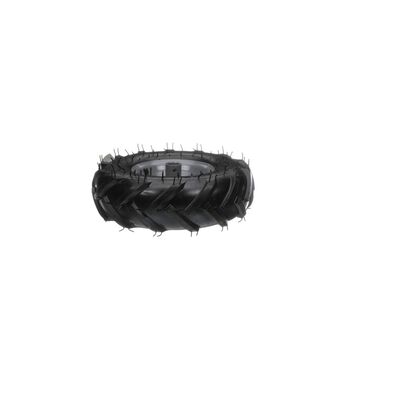
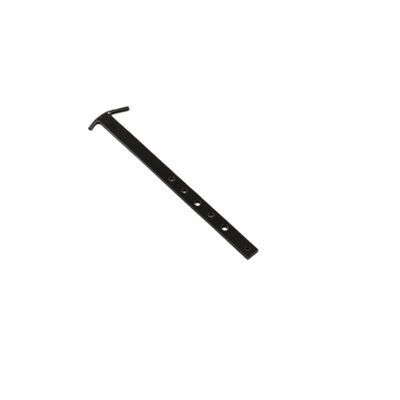
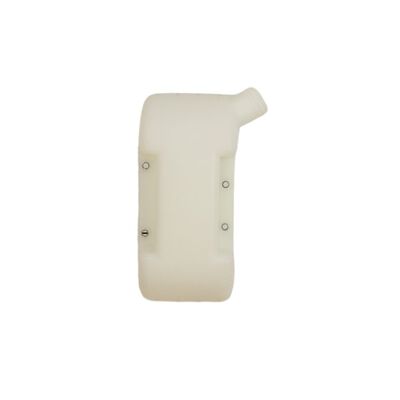
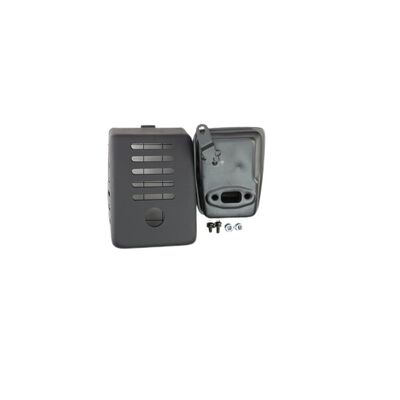
Shop Southland lawn tiller replacement parts at WholeToolBox. We offer tiller drag bars, drive belts, fuel tanks, tiller wheels, and more to help extend your tiller's lifespan.
7 Common Southland Rototiller Issues, Causes, and Symptoms
The table below summarizes the most common Southland rototiller issues, their likely causes, and the symptoms you may notice during operation.
| Issue | Common Causes | Symptoms |
| Engine fails to start | Old fuel, clogged carburetor, dirty air filter, faulty spark plug, fuel valve closed | Engine cranks but doesn't start, sputters briefly, or shows no ignition |
| Engine starts but stalls | Dirty air filter, restricted fuel flow, overloaded tines, low engine oil | Runs at idle but stalls when tilling or under heavy load |
| Poor tilling performance | Worn tines, incorrect depth setting, slipping drive belt | Soil remains hard, shallow cultivation, uneven tilling |
| Excessive vibration | Loose bolts, bent tines, damaged pulleys, worn engine mounts | Strong shaking, rattling noises, unstable operation |
| Drive belt slippage | Worn or loose belt, incorrect belt tension, damaged idler pulley | Engine runs, but tines rotate slowly or stop completely |
| Oil leaks | Damaged seals, worn gaskets, loose gearcase cover | Oil spots beneath machine, visible leaks around gearbox or engine |
| Broken tines or shear pins | Impact with rocks, roots, or hard objects | Missing tilling action, one side stops rotating, visible damaged tines |
Check out the top 10 lawn tillers in 2026 for garden soil preparation, features, and buying tips.
Step-by-Step Process to Fix Common Southland Rototiller Problems
Follow the steps below to quickly diagnose and fix common issues in a Southland rototiller. Start with basic safety and external checks before moving on to a deeper mechanical inspection.
Step 1: Turn Off the Engine and Disconnect the Spark Plug
Shut off the rototiller completely and disconnect the spark plug wire to prevent accidental starting. Allow the engine to cool if it has been running, especially after heavy tilling or stall conditions.
Step 2: Check Fuel Quality and Fuel Level
Inspect the tiller fuel tank to ensure there is enough fresh fuel. Old or contaminated fuel can cause hard starting, sputtering, or stalling. Drain and replace fuel if it appears stale or contains debris or water.
Step 3: Inspect the Air Filter
Remove the air filter and check for dirt, oil saturation, or clogging. A blocked air filter restricts airflow, leading to poor combustion, reduced power, and engine hesitation. Clean or replace the filter as needed.
Step 4: Examine the Spark Plug
Remove the spark plug and check for carbon buildup, wear, or improper gap. A faulty spark plug can cause misfiring, weak starting, or engine shutdown. Clean the plug or replace it if it shows damage or heavy deposits.
Step 5: Check the Tines for Obstructions
Inspect the tines for tangled roots, rocks, or hardened soil buildup. Blocked tines can strain the engine and reduce tilling performance. Clean the tines thoroughly and ensure they rotate freely.
Step 6: Inspect Drive Belt and Transmission
Check the drive belt for cracks, looseness, or slipping. A worn belt can prevent the tines from engaging properly. Also inspect the transmission for unusual noise, stiffness, or oil leakage.
Step 7: Verify Throttle and Control Cables
Ensure throttle and control cables move smoothly without sticking or slack. Misadjusted or damaged cables can cause inconsistent speed control or prevent the rototiller from engaging correctly.
Step 8: Test in a Controlled Area
Start the rototiller and test it on light soil. Observe for vibration, loss of power, or irregular tine movement. If problems persist, internal engine issues such as carburetor clogging or compression loss may be present.
Step 9: Seek Professional Service
If the rototiller still performs poorly, inspect the carburetor for clogging or fuel blockage. Clean it if necessary, or seek professional servicing for deeper issues such as internal engine wear or transmission failure.
Tips to Prevent Future Southland Rototiller Problems
Below are the key tips to keep your Southland rototiller running smoothly and avoid issues:
-
Always check engine oil level and fuel condition before each use to prevent startup issues and engine damage.
-
Clean tines, tiller wheels, and undercarriage after every operation to stop soil buildup and corrosion.
-
Replace or clean the air filter every 10–25 hours, especially when working in dusty soil conditions.
-
Inspect drive belts, cables, and fasteners regularly (every 10–25 hours) to prevent slipping and mechanical failure.
-
Use fresh fuel or add a stabilizer if storing the machine for long periods to avoid carburetor clogging.
-
Store the tiller in a dry, covered area and run the engine dry before storage to prevent rust and fuel residue buildup.
Find out how to repair common tiller tine problems: a complete DIY troubleshooting guide for quick fixes.
Summary: Keep Your Southland Rototiller Running Smoothly
Southland rototiller issues are often caused by fuel, air, ignition, or mechanical wear problems that can be diagnosed and fixed with basic checks. By following a structured troubleshooting process, most common faults can be repaired without professional help. Regular maintenance helps ensure consistent performance and longer machine life.
Key Takeaways
-
Most starting and stalling issues are linked to old fuel, clogged filters, or faulty spark plugs.
-
Dirty air filters and fuel system blockages significantly reduce engine performance.
-
Worn or damaged tines and drive belts directly impact tilling efficiency.
-
Excessive vibration usually indicates loose parts, bent tines, or worn mounts.
-
Regular inspection of cables, belts, and transmission helps prevent sudden breakdowns.
-
Preventive maintenance and proper storage greatly extend rototiller lifespan.
FAQs
How often should I replace the drive belt on a Southland rototiller?
Typically, the drive belt should be inspected every 25 hours of use and replaced every 1–2 seasons depending on wear, usage intensity, and soil conditions.
What type of fuel is best for a Southland rototiller engine?
Use fresh unleaded gasoline with the recommended octane rating (usually 87+). Avoid ethanol-heavy fuel blends when possible, as they can cause carburetor clogging over time.
Why does my rototiller pull to one side while operating?
This is usually caused by uneven tine wear, incorrect bar depth adjustment, or differences in soil resistance. Checking tine condition and alignment can help correct the issue.
Disclaimer: This content is for informational purposes only. Always follow the manufacturer's instructions and consult a qualified technician for complex repairs.