Power tool grinder parts support cutting, grinding, sharpening, and motor performance, including armatures, spindle assemblies, wheel guards, switches, and housings.


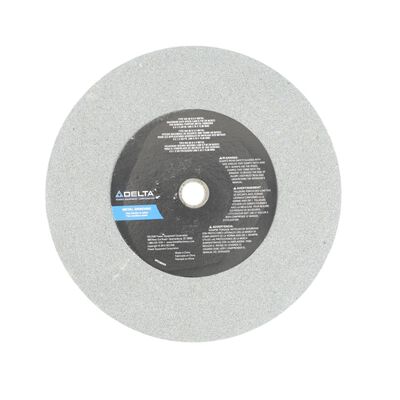


Power Tool Grinder Parts
Power tool grinders are used for cutting, grinding, polishing, and sharpening metal, concrete, stone, and other materials. They are commonly used in construction for cutting and finishing materials, fabrication for grinding welds and shaping metal, workshops for sharpening and repair tasks, and industrial settings for surface preparation and material removal.
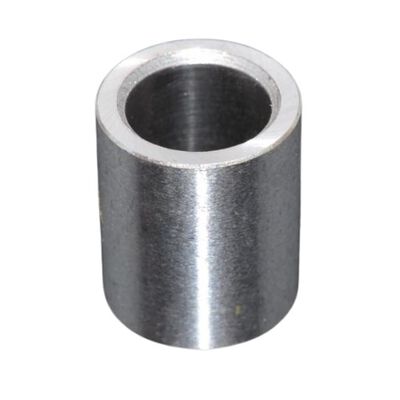
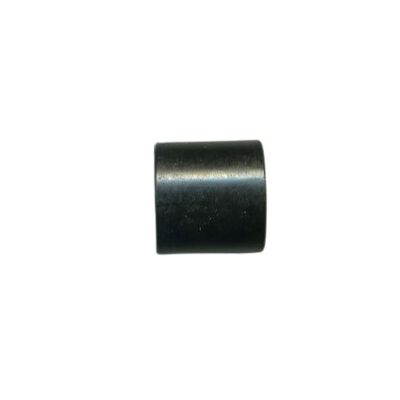
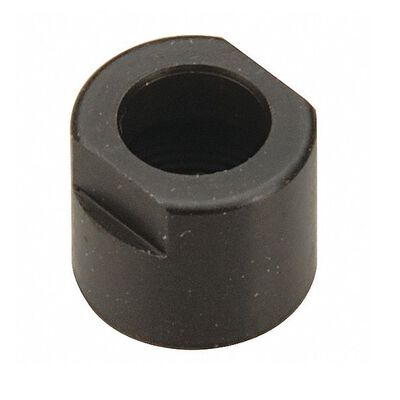
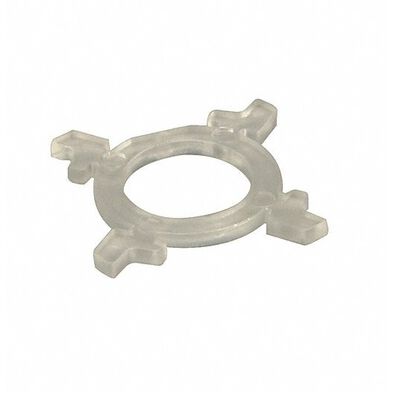
Common components used in power tool angle grinder applications include angle grinder switches, wheel guards, spindle assemblies, and gear cases. You can also find power tool angle grinder shims, housings, flanges, handles, carbon brushes, and grinder wheel components. Worn grinder parts may cause overheating, unusual noise, unstable wheel movement, reduced grinding performance, or starting issues. Regular inspection and replacement help restore reliable operation.
At WholeToolBox, you can explore a wide range of grinder replacement parts, including power tool angle grinder armatures, spindle assemblies, wheel guards, backing flanges, and related grinder components. These parts are compatible with Makita, Milwaukee, Bosch, Dewalt, Metabo HPT - Hitachi, Ingersoll Rand, Chicago Pneumatic, and Flex.
FAQs
What causes an angle grinder to stop working?
Angle grinders may stop working due to worn switches, damaged armatures, faulty field assemblies, overheating, or electrical issues. Replacing damaged grinder parts can help restore operation.
Why is my grinder wheel wobbling?
A wobbling grinder wheel may be caused by loose flanges, worn spindle parts, damaged wheels, or improper installation. Replacing worn parts helps improve stability and safety.
Why won’t my angle grinder start?
An angle grinder may not start due to faulty switches, damaged power cords, worn carbon brushes, or motor issues. Replacing worn components can help restore performance.
How do I cool down an overheating grinder?
Allow the grinder to cool, clean dust buildup, and inspect airflow areas and motor parts. Replacing worn grinder parts can help prevent overheating.
Can sparks from an angle grinder start a fire?
Yes, angle grinder sparks can ignite flammable materials, dust, or debris nearby. Proper wheel guards and safe operation help reduce fire risks.