
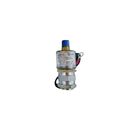
Kohler 2443510-S Engine Solenoid
Specifications:
| Attribute | Details |
|---|---|
| Brand | Kohler |
| Part Number | 2443510-S |
| Component Type | Engine Solenoid |
| Electrical Rating | 12 VDC |
Description
Product Overview:
Controls fuel passage within the engine fuel system by converting electrical input into mechanical valve movement. The Kohler 2443510-S Engine Solenoid 12 VDC Lockoff uses a 12 VDC electrical signal to operate an internal valve mechanism that regulates fuel flow during engine operation and shutdown. This component functions as an electrically controlled fuel shutoff device within the engine fuel system.
Electromagnetic Valve Actuation:
Converts electrical energy into mechanical movement through an electromagnetic actuator that controls the internal valve position. When electrical input is applied, the solenoid moves the valve mechanism to allow fuel passage through the component. When electrical power is removed, the valve returns to the closed position to restrict fuel flow.
Fuel System Control Integration:
Supports the fuel delivery system by controlling when fuel is allowed to pass through the solenoid assembly. The component responds to electrical commands from the engine control system to regulate fuel availability during operation and fuel shutoff conditions. This control function allows the solenoid to manage fuel flow within the engine system.
Replacement Guidelines:
Replacement of the Kohler 2443510-S Engine Solenoid 12 VDC Lockoff is recommended when electrical failure, internal valve damage, physical deterioration, or loss of fuel control function affects the component’s operation. A worn or damaged solenoid may not respond correctly to electrical signals or may fail to maintain the required fuel shutoff function within the engine fuel system.
Common Failure Symptoms:
- Engine does not receive proper fuel flow during starting or operation.
- Fuel continues flowing after engine shutdown.
- Solenoid does not actuate when electrical input is applied.
- Inconsistent engine operation caused by incorrect fuel control.
- Engine shutdown function is affected by improper fuel shutoff.
Equipment Compatibility:
Confirm that part number 2443510-S matches the intended Kohler engine fuel shutoff system by reviewing manufacturer documentation, existing component details, engine information, and applicable parts references before purchase.
The Kohler 2443510-S Engine Solenoid controls an electrical switching action within the lawn tractor engine system, enabling it to handle starting clicks, no-crank conditions, and intermittent operation.
Common Symptoms:
• Engine produces a click but no crank.
• Starter fails to engage during starting.
• Intermittent starting occurs after repeated attempts.
• Solenoid produces inconsistent electrical switching.
• Engine starting circuit remains unresponsive.
Starter clicks without cranking the engine
Quick Check: Listen for solenoid activation during starting attempts.
Fix Suggestion: Check terminal connections and restore proper current flow.
Prevention Tip: Keep solenoid terminals clean during regular tractor servicing.
Starter does not engage when key turns
Quick Check: Check voltage reaching the solenoid control terminal.
Fix Suggestion: Trace the starting circuit for interrupted electrical supply.
Prevention Tip: Maintain secure wiring connections around starting components.
Starting works only intermittently
Quick Check: Test solenoid response across several starting attempts.
Fix Suggestion: Address inconsistent switching through terminal and circuit testing.
Prevention Tip: Prevent moisture buildup around exposed electrical connections regularly.
Solenoid clicks but starter remains inactive
Quick Check: Measure voltage across the solenoid terminals during cranking.
Fix Suggestion: Confirm the adequate battery current and solenoid switching response.
Prevention Tip: Maintain battery connections to support consistent starting current.
Customer Experience: The customer reported more consistent starter response and fewer failed starting attempts after using the Kohler 2443510-S Engine Solenoid.

-
How does an engine solenoid differ from a manual fuel shutoff component?
An engine solenoid uses an electrical signal to control valve movement automatically, while a manual shutoff component requires physical operation to control fuel flow.
-
What causes a fuel solenoid to lose its ability to control fuel flow?
A fuel solenoid may lose control function because of electrical faults, internal valve wear, damaged connections, or deterioration that prevents the valve mechanism from responding correctly.
-
When should the Kohler 2443510-S Engine Solenoid 12 VDC Lockoff be replaced?
The Kohler 2443510-S Engine Solenoid 12 VDC Lockoff may require replacement when electrical failure, valve malfunction, or physical damage prevents the component from controlling fuel flow correctly.
-
What happens when a fuel lockoff solenoid cannot close properly?
A solenoid that cannot close properly may allow continued fuel passage when fuel shutoff is required, affecting the intended operation of the fuel control system.
-
Why is the internal valve mechanism important in a fuel lockoff solenoid?
The internal valve mechanism controls the passage of fuel through the solenoid assembly, allowing the component to regulate fuel flow according to the electrical input it receives.
Customer Reviews
No reviews yet. Be the first to write one!
Write a Review
We strive to provide our customers with a hassle-free and efficient shopping experience. Our shipping policy ensures the timely delivery of your orders and complete customer satisfaction. View More
We are committed to ensuring your complete satisfaction with every purchase. We understand that circumstances may arise where you must return a product or request a refund. If for any reason you are not satisfied, you may return the item(s) according to the terms outlined below. View More
This Payment Policy outlines the terms and conditions governing all payments made for products purchased through our website. By making a purchase, you agree to be bound by this Payment Policy. View More