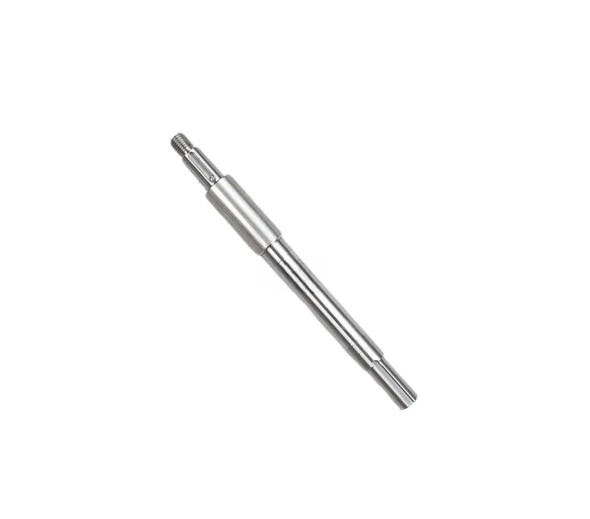
Powermatic 31A-33 Shaft
Specifications:
| Attribute | Details |
|---|---|
| Brand | Powermatic |
| Part Number | 31A-33 |
| Component Type | Shaft |
| Equipment Type | Sander Polisher |
Description
Dimensions:
- Weight: 6 lbs
Product Overview:
Transfers rotational power through the sanding drive assembly while maintaining the mechanical relationship between connected rotating components. The Powermatic 31A-33 Sander Polisher Shaft serves as a central rotating member within the sanding mechanism, supporting the connection between the drive system and sanding components. Its precise fit allows connected parts to rotate around a consistent axis during operation. Proper shaft condition helps maintain stable rotation, mechanical alignment, and effective power transmission throughout the sanding process.
Torque Transmission:
Transfers rotational torque from the drive assembly to connected sanding components. The shaft must maintain secure engagement with mating components so mechanical power can be transmitted without excessive movement or slippage. Proper contact at shaft ends, keyways, and mounting surfaces helps maintain consistent rotation under operating loads.
Rotational Stability:
Supports consistent movement of the sanding assembly during operation. The shaft's condition affects how smoothly connected components rotate, particularly at bearing journals and precision contact surfaces. Excessive wear, scoring, corrosion, or deformation can introduce rotational imbalance and affect sanding performance.
Replacement Guidelines:
Replace the Sander Polisher Shaft if it is bent, cracked, damaged, corroded, excessively worn, or no longer rotates smoothly within the tool assembly. The SKU 31A-33 should be verified before replacement to ensure the correct shaft is selected. Replace the shaft if deterioration affects alignment, rotation, component connection, power transmission, or normal sander/polisher operation.
Common Signs of Wear:
Visible scoring or grooves on the shaft surface.
Bent or deformed shaft.
Excessive wear at bearing journals.
Corrosion or rust on contact surfaces.
Damaged keyways or shaft ends.
Cracks or impact damage.
Excessive movement between mating components.
Vibration or irregular rotation during operation.
Equipment Compatibility:
The Powermatic 31A-33 Sander Polisher Shaft is intended for equipment requiring this specific shaft configuration. Verify the 31A-33 part number, equipment model, shaft dimensions, mounting arrangement, and manufacturer's parts information before replacement.
-
What should be checked on the Powermatic 31A-33 shaft?
Inspect the shaft for bending, scoring, corrosion, cracks, worn bearing journals, damaged keyways, and excessive movement at connected components. These conditions can affect rotational alignment and the mechanical operation of the sanding assembly.
-
What can cause excessive shaft wear?
Heavy operating loads, prolonged use, misalignment, worn bearings, inadequate maintenance, or damaged mating components can contribute to shaft wear.
-
How can shaft damage affect sanding operation?
A damaged or bent shaft can cause vibration, uneven rotation, poor component alignment, and increased stress on related mechanical parts.
-
Which shaft areas should be inspected during maintenance?
Inspect the bearing journals, shaft ends, keyways, contact surfaces, and main shaft body for scoring, deformation, corrosion, cracks, or excessive wear.
-
Can worn bearings contribute to shaft damage?
Yes. Worn or improperly aligned bearings can increase movement and loading around the shaft, potentially accelerating wear on the shaft and related components.
Customer Reviews
No reviews yet. Be the first to write one!
Write a Review
We strive to provide our customers with a hassle-free and efficient shopping experience. Our shipping policy ensures the timely delivery of your orders and complete customer satisfaction. View More
We are committed to ensuring your complete satisfaction with every purchase. We understand that circumstances may arise where you must return a product or request a refund. If for any reason you are not satisfied, you may return the item(s) according to the terms outlined below. View More
This Payment Policy outlines the terms and conditions governing all payments made for products purchased through our website. By making a purchase, you agree to be bound by this Payment Policy. View More