How to Protect Your Lawn from Summer Heat and Drought Damage
Is your lawn losing its green color during peak summer heat? High temperatures, intense sunlight, and prolonged dry conditions can quickly stress even healthy turfgrass. As moisture evaporates faster than it can be absorbed, grass may turn brown, thin out, and lose overall vigor. If not addressed early, heat and drought stress can weaken root systems and slow down recovery.
Maintaining a healthy lawn in summer requires more than just increasing watering. It involves a balanced approach that includes proper irrigation practices, consistent mowing, soil care, and routine maintenance. Together, these methods help improve moisture retention, support deeper root growth, and strengthen overall turf resilience.
This blog explains how to recognize early stress signs, apply effective watering techniques, and follow essential lawn care practices to keep your lawn healthy and protected throughout the summer season.
How to Identify Summer Heat and Drought Stress in Your Lawn
Catching heat and drought stress early is one of the most effective ways to prevent long-term lawn damage. Grass typically shows several warning signs before permanent injury occurs, allowing homeowners to take corrective action before conditions worsen. The most common signs of heat and drought stress are mentioned below,
-
Discoloration and Color Changes: Healthy turf has a consistent green color, but drought stress often causes it to shift from rich green to dull blue-green and eventually to tan or straw-like patches. This happens as the grass conserves energy and prioritizes root survival over blade growth.
-
Footprint Retention Test: A simple way to check moisture stress is by walking across the lawn. If footprints remain visible for several minutes instead of the grass springing back, it indicates the lawn is not receiving enough moisture to recover quickly.
-
Wilting and Folding Grass Blades: Under heat stress, grass blades may curl, fold, or roll inward as a natural defense mechanism. This reduces surface exposure and helps the plant minimize water loss through evaporation.
-
Thinning Turf and Bare Spots: As stress continues, grass growth slows, and turf density begins to decline, leading to thin patches and exposed soil. These areas are more vulnerable to weed invasion and erosion.
-
Soil Cracking and Separation: In severe drought conditions, soil may dry out deeply, causing it to crack or pull away from hard surfaces like sidewalks and driveways, signaling significant moisture depletion below the root zone.
-
Dormancy vs. Permanent Lawn Damage: Not all brown grass is dead; many lawns enter dormancy during extreme heat to survive. Dormant grass typically retains viable roots and can recover when conditions improve, unlike permanently damaged turf that has lost root viability.
|
Simple Tug Test for Grass Health: Gently pull a patch of brown grass to check its condition. If it stays firmly rooted, it is likely dormant and can recover. If it pulls out easily, it may be dead due to root damage. |
Effective Watering Techniques to Keep Your Lawn Healthy During Hot Weather
Proper watering is essential to protect your lawn from summer heat stress, but effectiveness depends more on irrigation strategy than frequency. A planned approach improves soil moisture retention, promotes deeper root growth, and increases drought resistance. Below are the key techniques to follow for efficient summer watering.
-
Water Deeply and Less Frequently: Deep, infrequent watering encourages roots to grow deeper into the soil where moisture lasts longer, making the lawn more heat-tolerant. Most lawns need about 1 to 1.5 inches of water per week, split into a few sessions for better absorption.
-
Water Early in the Morning: Watering between 4:00 a.m. and 9:00 a.m. reduces evaporation and ensures more water reaches the roots. Morning irrigation also allows grass to dry during the day, lowering the risk of fungal growth.
-
Use Smart Irrigation Systems: Smart irrigation systems adjust watering based on weather and soil conditions, improving efficiency and reducing waste. For manual setups, timers help maintain consistent and controlled watering schedules.
-
Ensure Even Water Distribution: Uneven watering leads to dry patches even when the total water volume is adequate. A simple catch-can test helps identify gaps so sprinkler settings can be adjusted for uniform coverage.
-
Prevent Runoff on Slopes: Sloped areas often lose water through runoff before it can be absorbed into the soil. Splitting watering into shorter cycles improves infiltration and ensures moisture reaches deeper root zones.
Check out smart lawn care evolution with intelligent robot mower technology for effortless lawn maintenance
Essential Lawn Care Practices to Improve Drought Resistance
Watering alone is not enough to protect your lawn from hot summer conditions. Long-term drought resistance depends on healthy soil, deep root development, and consistent maintenance. The following practices help improve lawn resilience during hot, dry conditions.
-
Mow at the Correct Height: Taller grass provides natural shade that helps keep soil temperatures lower and reduces moisture evaporation. General summer mowing recommendations include:
|
Grass Type |
Recommended Mowing Height |
|
Bermuda Grass |
1.5 – 2.5 inches |
|
Zoysia Grass |
1 – 2.5 inches |
|
St. Augustine Grass |
3 – 4 inches |
|
Tall Fescue |
3.5 – 4 inches |
|
Kentucky Bluegrass |
2.5 – 3.5 inches |
Never remove more than one-third of the grass blade during a single mowing session, as excessive cutting can weaken the plant.
-
Aerate and Dethatch When Needed: Compacted soil and excess thatch block water and air from reaching roots. Core aeration improves soil flow, while dethatching helps when the thatch layer becomes too thick and starts restricting moisture absorption.
-
Apply Fertilizer Carefully During Summer: High nitrogen in extreme heat can stress the lawn by forcing rapid growth. Use slow-release fertilizers instead, and consider potassium to strengthen roots and improve drought tolerance.
-
Overseed with Drought-Tolerant Varieties: If your lawn struggles in summer, overseeding with drought-resistant grasses like tall fescue, Bermuda hybrids, or buffalo grass can improve long-term resilience and reduce water needs.
-
Use Mulch Around Landscape Beds: A 2–3 inch layer of mulch helps retain moisture, reduce soil temperature, and limit weed competition, indirectly supporting healthier lawn conditions during hot weather.
Best Lawn Maintenance Tips and Equipment for Summer Protection
The condition of your lawn care equipment plays an important role in overall lawn health. Properly maintained tools reduce unnecessary stress on grass and improve mowing and irrigation efficiency.
-
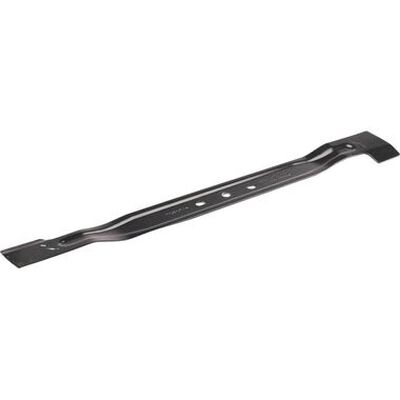
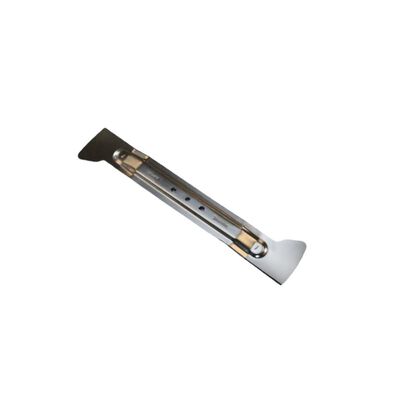
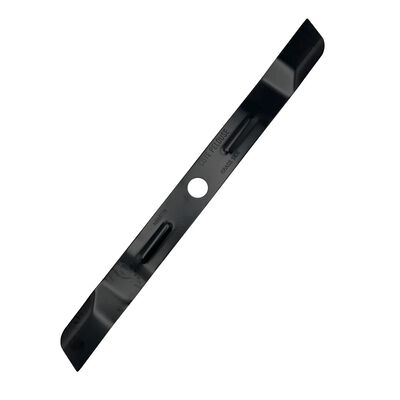
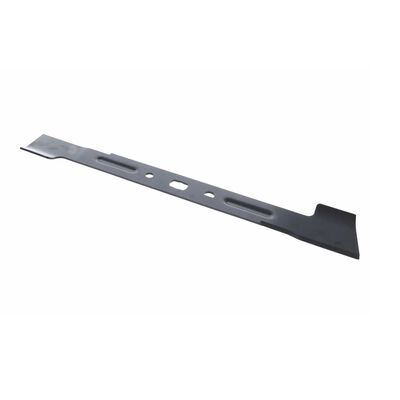
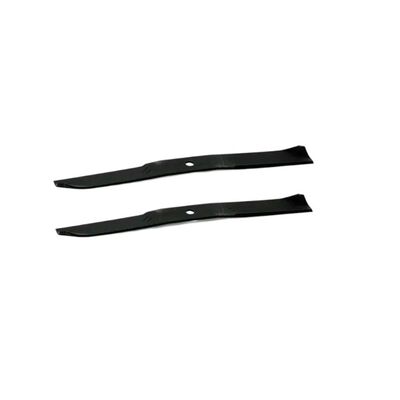
Keep Mower Blades Sharp: Sharp blades produce clean cuts that heal quickly, while dull blades tear grass and increase moisture loss. Regularly inspect and sharpen lawn mower blades at least once per season to maintain healthy, stress-free turf.
-
Choose the Right Mower for Your Property: Using equipment that matches your lawn size improves efficiency while reducing wear on the turf.
-
Small Lawns: Push or self-propelled mowers
-
Medium Lawns: Riding mowers or compact zero-turns
-
Large Properties: Full-size zero-turn mowers or garden tractors
Avoid operating heavy equipment on severely drought-stressed grass whenever possible.
-
Maintain Your Irrigation System: A well-maintained irrigation system ensures even water distribution and reduces waste. Before and during summer, check sprinkler alignment, replace damaged heads, clean nozzles, flush lines, and adjust schedules to maintain consistent coverage across all zones.
-
Use a Soil Moisture Meter: A soil moisture meter helps eliminate guesswork by indicating when the soil actually needs watering. This prevents both overwatering and underwatering, ensuring more efficient irrigation decisions during hot weather.
-
Consider Wetting Agents for Dry Soils: In some cases, dry soil becomes hydrophobic and resists water absorption. Wetting agents help break surface tension, allowing moisture to penetrate more effectively into the root zone and restore proper hydration.
-
Store Equipment Properly During Summer: High heat can reduce equipment lifespan, so storing tools in shaded or covered areas helps protect engines, batteries, and components. Regular maintenance of filters, fuel systems, and moving parts ensures better performance throughout the season.
Summary: Protecting Your Lawn from Summer Heat and Drought Damage
Maintaining a healthy lawn during summer heat requires a combination of smart watering, proper mowing, and soil management practices. Early identification of heat and drought stress helps prevent long-term turf damage and supports faster recovery. With consistent care and the right maintenance strategies, lawns can build stronger root systems and better withstand dry, high-temperature conditions.
Key Takeaways
-
Monitor early warning signs such as discoloration, wilting, and footprint retention to detect stress quickly.
-
Water deeply but less often, ideally early morning, to promote strong roots and reduce evaporation.
-
Maintain proper mowing height and avoid cutting more than one-third of the grass blade at once.
-
Improve soil health through aeration and dethatching to enhance water and nutrient absorption.
-
Use slow-release fertilizers and drought-tolerant grass varieties to increase summer resilience.
-
Ensure lawn equipment and irrigation systems are well-maintained for efficient, even lawn care.
Shop lawn equipment parts at WholeToolBox. We offer high-quality lawn mower parts like ignition switches, solenoids, starters, fuses, and relays from trusted brands like Kawasaki, Homelite, Snapper, and more to keep your equipment running efficiently.
References:
https://www.thelawninstitute.org/lawn-care-basics/grass-selection-and-management/
FAQs
What is the best fertilizer for grass in summer?
A slow-release nitrogen fertilizer with added potassium is best in summer. It feeds on grass gradually, reduces stress in high heat, and improves drought tolerance without causing excessive fast growth.
What is the strongest chemical to kill weeds?
Glyphosate is the strongest, most widely used weed killer. It is non-selective and kills most plants, including weeds and grass, by targeting the root system.
What is the 150 rule for grass?
The 150 rule for grass is a watering guideline that suggests irrigating when the air temperature plus grass height reaches around 150. It is used to help prevent heat stress and maintain healthy, consistent lawn moisture levels.
|
Disclaimer: This article is for informational purposes only. Lawn care results may vary based on grass type, soil conditions, climate, and maintenance practices. |