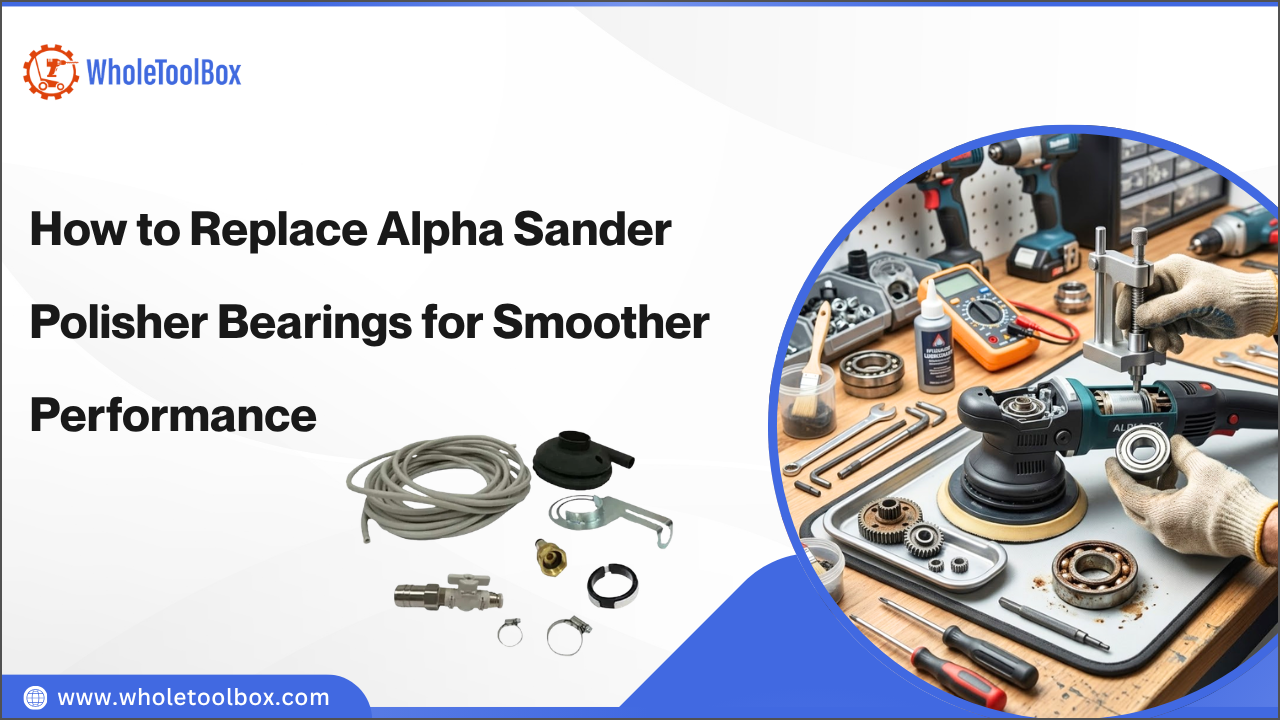
How to Replace Alpha Sander Polisher Bearings for Smoother Performance
Whether you're polishing stone, grinding concrete, or finishing metal surfaces, your Alpha sander polisher depends on smooth-running bearings to deliver consistent performance. Bearings reduce friction between moving components, allowing the spindle to rotate efficiently while supporting heavy workloads.
Ignoring worn bearings or damaged bushings can lead to excessive vibration, unusual noises, overheating, poor polishing quality, and even motor damage. Fortunately, replacing faulty bearings and bushings is a manageable maintenance task when performed correctly.
In this blog, you'll learn why Alpha sander polisher bearings are important, common bearing problems and warning signs, step-by-step replacement instructions, and practical maintenance tips to maximize bearing life.
Understanding Alpha Sander Polisher Bearings and Their Importance
Alpha sander polishers are designed for demanding tasks such as stone polishing, concrete finishing, and metal surface preparation. Bearings support the spindle, reduce friction, minimize vibration, and ensure smooth, consistent polishing performance.
Over time, dust, heat, and continuous use can wear out the bearings, leading to vibration, unusual noise, reduced performance, and spindle instability. Replacing worn bearings promptly helps maintain polishing accuracy, prevent further damage, and extend the tool's lifespan.
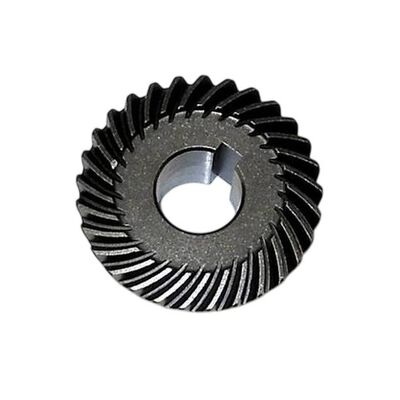
Shop Alpha replacement parts at WholeToolBox. We offer air hoses, water attachment assemblies, water valves, spiral bevel pinions, rubber hose adapters, and more to keep your Alpha tools performing at their best.
Common Alpha Sander Polisher Bearing Problems, Causes & Warning Signs
The following table covers common bearing problems, causes, and warning signs to help identify problems early.
|
Problem |
Primary Causes |
Warning Signs |
|
Excessive Vibration During Operation |
Worn bearing races, damaged balls, loose bearing fit |
Increased hand vibration, uneven polishing, operator fatigue |
|
Grinding or Squealing Noise |
Lack of lubrication, damaged bearing surfaces, contamination |
Metallic grinding, squealing, rumbling while running |
|
Bearing Overheating |
Excess friction, insufficient lubrication, overload |
Hot spindle housing, burning smell, reduced efficiency |
|
Reduced Spindle Speed |
Increased bearing resistance, internal wear |
Slower polishing, reduced cutting performance |
|
Shaft Play or Wobbling |
Loose or worn bearings |
Spindle movement, uneven polishing pattern |
|
Bearing Seizure |
Severe wear, rust, contamination |
Tool suddenly stops, motor strain, possible breaker trips |
|
Dust and Debris Contamination |
Damaged seals, poor cleaning practices |
Rough operation, noisy bearings, shortened lifespan |
|
Lack of Lubrication |
Aging grease, overheating, prolonged use |
Increased friction, heat buildup, noisy operation |
How to Replace Alpha Sander Polisher Bearings Step-by-Step
Follow these step-by-step instructions to safely replace worn bearings and restore smooth & better Alpha sander polisher performance.
Step 1: Disconnect Power
Unplug the Alpha sander polisher or remove the battery on cordless models. Never begin repairs while the tool is connected to a power source.
Step 2: Remove the Polishing Components
Remove the backing pad, polishing pad, grinding wheel, and flanges to access the spindle assembly. Keep the removed parts organized for easier reassembly.
Step 3: Open the Tool Housing
Remove the housing screws carefully and store them safely. Separate the housing gently without forcing any internal components.
Step 4: Locate the Bearings
Find the bearings around the spindle, gear housing, or motor armature, depending on your Alpha sander model. Check for signs of wear, including rough rotation, rust, cracks, discoloration, or excessive play.
Step 5: Remove the Old Bearings
Use a bearing puller to safely remove the worn bearings. Avoid hitting the shaft directly or using excessive force, as this can damage the spindle or housing. Remove snap rings first if installed.
Step 6: Clean the Bearing Area
Clean the bearing housing and surrounding parts by removing old grease, dust, metal particles, and rust. Inspect the shaft and housing for any damage before installing new bearings.
Step 7: Install the New Bearings
Press the replacement bearings evenly into position using the correct tools. Apply pressure only to the proper bearing race and ensure the bearing sits fully in place. Reinstall retaining clips or snap rings if required.
Step 8: Reassemble the Sander Polisher
Reinstall the spindle assembly, gear components, housing, pads, and fasteners. Tighten all screws evenly according to the manufacturer’s specifications.
Step 9: Test the Tool
Before using the tool, rotate the spindle by hand to confirm smooth movement. Run the sander at low speed and check for unusual noise, vibration, or wobbling. Properly installed bearings should provide quiet and stable operation.
Maintenance Tips to Extend the Life of Alpha Sander Polisher Bearings
Below are the essential maintenance tips to improve bearing life and prevent common tool issues.
- Clean Dust After Every Use: Stone dust and debris can damage bearings and internal parts. After each use, clean the tool with compressed air, wipe the housing, and remove dust buildup to keep ventilation openings clear and prevent particles from entering the gear housing.
- Prevent Moisture and Rust: Moisture can cause bearing corrosion and reduce performance. Store your Alpha sander polisher in a dry place, avoid outdoor storage, and dry the tool after wet polishing to protect bearing surfaces from rust.
- Avoid Cross-Threading Accessories: Always install polishing pads and backing plates carefully to prevent cross-threading, which can damage the spindle thread and affect tool performance.
- Inspect Bearings Regularly: Routine checks help identify bearing issues early. Look for signs such as unusual noise, rough rotation, shaft movement, overheating, or grease leaks to prevent major tool damage.
- Replace Worn Components Promptly: Worn bearings can damage seals, gears, shafts, and motor parts. Replacing them on time helps avoid costly repairs, reduces downtime, and maintains smooth tool operation.
- Use Quality Replacement Bearings: High-quality replacement bearings ensure proper fit, reliable sealing, and longer service life. Low-quality bearings may wear out quickly, reducing the performance of your Alpha sander polisher.
Summary: Replace Worn Alpha Sander Polisher Bearings for Smoother, Longer-Lasting Performance
Worn Alpha sander polisher bearings can cause vibration, unusual noise, overheating, and reduced polishing efficiency. Replacing damaged bearings on time helps prevent further tool damage and restores smooth operation. Regular cleaning, inspection, and using quality replacement bearings can extend bearing life and improve overall tool performance.
Key Takeaways
- Worn bearings can cause vibration, noise, overheating, and reduced polishing efficiency.
- Regular inspection helps identify bearing problems before they damage other components.
- Proper bearing removal and installation prevent spindle and housing damage.
- Cleaning dust, debris, and moisture regularly helps extend bearing lifespan.
- Avoiding tool overload reduces excessive heat and premature bearing wear.
- Using high-quality replacement bearings ensures better performance and longer service life.
FAQs
How often should sander polisher bearings be replaced?
There is no fixed replacement interval. Bearing life depends on operating hours, workload, maintenance, and environmental conditions. Replace bearings whenever you notice excessive vibration, unusual noise, overheating, or spindle play.
What causes sander polisher bearings to fail?
Common causes include dust contamination, insufficient lubrication, heavy workloads, moisture exposure, overheating, improper installation, and normal wear from extended use.
Why is my sander polisher making a grinding noise?
Grinding noises usually indicate worn or damaged bearings. Contaminated grease, rust, or internal bearing damage can create metal-to-metal contact that produces grinding or squealing sounds.
Do worn bearings cause excessive vibration?
Yes. Worn bearings allow the spindle to rotate unevenly, resulting in increased vibration, reduced polishing accuracy, and greater stress on the motor and other internal components.
Can bad bearings damage the motor of a sander polisher?
Yes. Damaged bearings increase friction and force the motor to work harder, leading to overheating, higher power consumption, premature motor wear, and potentially costly repairs if not addressed promptly.
|
Disclaimer: This blog is for informational purposes only. Always follow your Alpha sander polisher manual and safety instructions before performing maintenance or bearing replacement. |