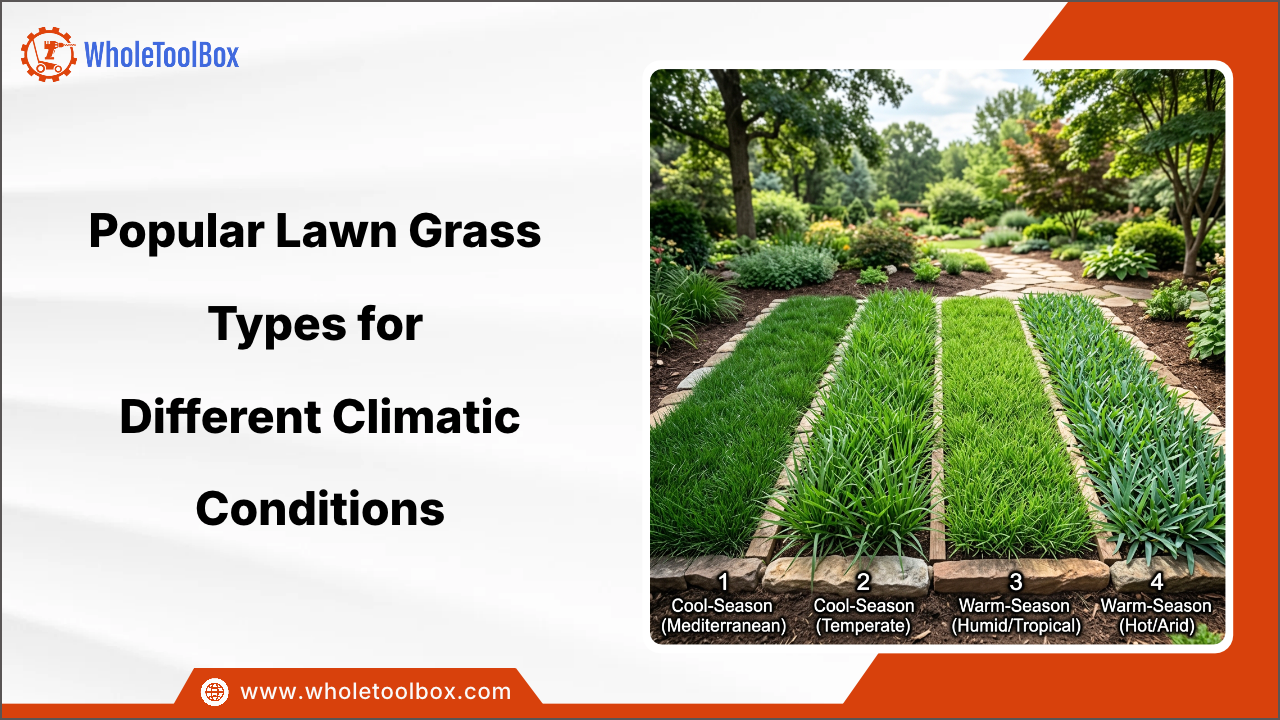
Popular Lawn Grass Types for Different Climatic Conditions
Struggling with thin grass or bare patches? The problem may begin with a grass variety that does not suit the local environment. Temperature, soil type, sunlight, and water availability all affect lawn health. Understanding these conditions helps homeowners choose suitable grass types and maintain healthier turf.
Popular lawn grass types include cool-season varieties, such as Kentucky bluegrass, tall fescue, and perennial ryegrass, as well as warm-season options like bermudagrass, zoysiagrass, and St. Augustinegrass. According to the University of Georgia Cooperative Extension, cool-season grasses generally grow best at temperatures of 60–75°F, while warm-season grasses thrive at approximately 80–95°F. These temperature ranges help explain why different grass species perform better in different U.S. regions.
In this blog, you’ll discover the main lawn grass types, understand which climates suit them best, and learn how to choose the right variety for your yard. The following sections also cover common lawn problems, practical maintenance methods, and technical considerations for establishing healthy turf.
Major Lawn Grass Types and Their Characteristics
The following lawn grass types have different growth habits, climate preferences, and maintenance requirements. Understanding their characteristics helps determine which varieties are suitable for specific lawn conditions.
- Kentucky Bluegrass: A cool-season grass known for dense growth, a rich green color, and the ability to spread through underground rhizomes. Its spreading growth habit helps it fill small damaged areas under favorable conditions.
- Tall Fescue: A cool-season grass with relatively deep roots that help it tolerate heat and drought better than many other cool-season grasses. It grows in bunches and may require overseeding to repair bare patches.
- Perennial Ryegrass: A cool-season grass that germinates quickly and establishes relatively fast under suitable conditions. Its rapid establishment makes it useful for overseeding and repairing thin turf.
- Fine Fescue: A group of cool-season grasses with narrow leaves and good shade tolerance. These grasses are useful in suitable shaded areas but may not tolerate heavy foot traffic.
- Bermudagrass: A warm-season grass that spreads through aboveground runners and underground rhizomes. Its aggressive spreading growth helps it recover from wear in sunny, frequently used areas.
- Zoysiagrass: A warm-season grass that forms dense turf and tolerates heat and moderate foot traffic. It establishes and recovers more slowly than some spreading grasses.
- St. Augustinegrass: A warm-season grass with broad blades that grows well in many warm, humid regions. It tolerates some shade but can be vulnerable to cold and certain pests.
- Centipedegrass: A warm-season grass with relatively slow growth and modest fertilizer requirements. It is suitable for some southeastern lawns but does not tolerate heavy foot traffic well.
- Bahiagrass: A warm-season grass with a strong root system and good drought tolerance. It can grow in relatively sandy soils but has a coarser texture than many ornamental lawn grasses.
Check out the rise of robotic yard work: How AI is changing lawn care to learn how technology is transforming modern lawn care
Warm-Season vs. Cool-Season Grasses
Cool-season and warm-season grasses differ in their preferred growing temperatures, seasonal activity, and tolerance of environmental stress. The table below compares their main characteristics to help distinguish between the two groups.
|
Feature |
Cool-Season Grasses |
Warm-Season Grasses |
|
Ideal climate |
Cool to temperate regions |
Warm regions with hot summers |
|
Best growing season |
Spring and fall |
Late spring and summer |
|
Ideal soil temperature for growth |
Approximately 50–65°F |
Approximately 75–85°F |
|
Heat tolerance |
Varies; many struggle during prolonged heat |
Generally high |
|
Cold tolerance |
Generally high |
Varies; many are sensitive to frost |
|
Drought tolerance |
Depends on the variety; tall fescue is relatively drought-tolerant |
Often good, depending on the variety |
|
Water requirements |
May need additional water during hot, dry weather |
Varies by variety and climate |
|
Winter growth and color |
May remain green during mild winters, depending on conditions |
Many varieties become dormant and turn brown in cold weather |
|
Best suited for |
Northern U.S. states and cooler transition-zone areas |
Southern U.S. states and warmer climates |
|
Maintenance needs |
Often requires active care during spring and fall |
Often requires active care during late spring and summer |
Factors to Consider When Choosing Lawn Grass
Selecting the appropriate lawn grass requires evaluating local climate, site conditions, and maintenance requirements. Consider the following factors to determine which grass variety is best suited to the lawn.
- Climate and Temperature: Select cool-season grasses for regions with cooler growing conditions and warm-season grasses for areas with hot summers. Consider seasonal temperature patterns and the length of the growing season when evaluating suitability.
- Sunlight and Shade: Assess the amount of direct sunlight the lawn receives each day. Bermudagrass performs best in full sun, while fine fescue and certain St. Augustinegrass varieties tolerate partial shade.
- Soil Type and Drainage: Evaluate soil pH, texture, and drainage before selecting a grass variety. Some grasses tolerate sandy soils, while others perform better in loamy soils with adequate moisture retention and drainage.
- Water Availability: Consider local rainfall, irrigation access, and seasonal water restrictions. Choose a grass variety with water requirements that align with local conditions and available resources.
- Foot Traffic and Lawn Use: Evaluate how frequently the lawn will be used for recreation, pets, and outdoor activities. Bermudagrass, tall fescue, and zoysiagrass offer varying levels of wear tolerance, depending on the growing environment and maintenance practices.
- Maintenance Requirements: Assess the time and resources available for mowing, watering, fertilization, and lawn repair. Grass varieties differ in growth rates, mowing frequency, nutrient requirements, and overall maintenance needs.
Check out how to reseed your lawn in fall: step-by-step tips for a healthier yard for easy, effective lawn care tips
Common Lawn Grass Problems and How to Prevent Them
Lawn problems can have similar visible symptoms but different underlying causes. The following list explains common problems, what may cause them, and how to identify the appropriate corrective action.
- Brown Patches: Brown patches are areas of grass that turn brown or dry out. They can result from insufficient watering, fungal diseases, excessive heat, or insect damage. Identifying the cause is important before applying treatment.
- Solution: Inspect the affected grass and root zone for moisture stress, disease symptoms, or insect activity. Correct the confirmed cause and check whether the affected area improves before applying additional treatments.
- Weed Growth: Weeds grow among lawn grass and compete for sunlight, water, nutrients, and space. Thin turf, bare patches, and poor lawn maintenance can give weeds more opportunities to spread.
- Solution: Identify the weed species and determine why the turf is thin. Select an appropriate removal or control method based on the weed type and follow the product label when using herbicides.
- Fungal Diseases: Fungal diseases can cause discolored patches, leaf spots, or thinning grass. They often develop when moisture remains on grass for long periods, especially in warm, humid conditions or poorly drained areas.
- Solution: Look for characteristic leaf lesions, patch patterns, and recurring symptoms. Improve drainage or moisture management where needed, and confirm the likely disease before applying a fungicide.
- Thin or Bare Patches: Thin or bare spots appear when grass struggles to grow or dies in certain areas. Common causes include heavy foot traffic, compacted soil, insufficient sunlight, and unsuitable grass varieties.
- Solution: Determine whether the area lacks sunlight, has compacted soil, or experiences excessive wear. Correct the underlying condition before reseeding or overseeding with a suitable grass variety.
- Pest Damage: Lawn pests, such as white grubs, can feed on grass roots and weaken the turf. Damaged grass may turn yellow or brown, wilt, or become easy to pull from the soil.
- Solution: Check the root zone and inspect for the suspected pest before selecting a treatment. Use a control method appropriate for the identified pest and follow product instructions and local recommendations.
- Compacted Soil: Soil compaction occurs when pressure from foot traffic, machinery, or repeated use squeezes soil particles together. This restricts air movement, reduces water infiltration, and makes it harder for grass roots to grow.
- Solution: Check whether water pools on the surface or roots struggle to penetrate the soil. Core aeration may help relieve compaction when performed under suitable soil and grass-growing conditions.
- Yellowing Grass: Yellow grass can indicate nutrient deficiencies, overwatering, drought stress, poor drainage, or disease. Because several issues can cause similar symptoms, applying fertilizer without identifying the problem may not help.
- Solution: Check soil moisture, drainage, and root condition first. If nutrient deficiency is suspected, use a soil test to determine whether fertilizer or a soil amendment is appropriate.
Lawn Care Tip: Inspect discolored or thinning turf before treating it. Correctly identifying the cause helps prevent unnecessary watering, fertilization, or pesticide use.
Lawn Grass Care and Maintenance Tips for Long-Lasting Growth
Follow these lawn grass care tips to encourage strong root growth, prevent common problems, and keep your lawn looking green and healthy.
- Water Your Lawn Properly: Water deeply and less frequently rather than giving your lawn light, frequent watering. Established lawns generally need about 1 inch of water per week, including rainfall, although requirements vary with grass type, soil, and weather. Adjust irrigation to rainfall, soil moisture, and local watering restrictions.
- Mow at the Right Height: Maintain the recommended mowing height for your grass variety. For example, tall fescue generally grows well at 2–3 inches, while bermudagrass and zoysiagrass are commonly maintained at 1–2 inches. Avoid removing more than one-third of the grass blade in a single mowing.
- Fertilize According to Soil Needs: Grass needs nutrients such as nitrogen, phosphorus, and potassium for healthy growth. Test your soil before applying fertilizer and follow recommendations for your grass type to avoid overfertilization and unnecessary nutrient runoff.
- Aerate Compacted Soil: Soil aeration helps improve airflow, water infiltration, and nutrient movement around grass roots. Consider core aeration when soil compaction limits root growth or water movement, and time the work for active growth when the grass can recover.
- Control Weeds and Pests Early: Inspect the lawn periodically for emerging weeds, insect activity, and changes in turf density. Address confirmed problems promptly and use targeted control methods when necessary.
- Adjust Care to the Season: Cool-season grasses generally grow best during spring and fall, while warm-season grasses grow most actively during late spring and summer. Schedule mowing, fertilization, and other major maintenance tasks around the grass's active growth period and local weather conditions.
Summary: Choosing the Right Lawn Grass for Your Climate
Choosing suitable lawn grass involves matching its growth requirements to local climate, soil, sunlight, and intended use. Routine, variety-specific maintenance helps preserve turf health and address emerging problems before they become more extensive.
Key Takeaways
- Choose grass based on your region's temperatures and growing season.
- Compare varieties for shade tolerance, drought resistance, and foot traffic.
- Test soil pH and assess drainage before establishing a lawn.
- Water according to rainfall, soil moisture, and grass requirements.
- Identify lawn problems before applying treatments.
- Maintain suitable mowing heights and follow seasonal care recommendations.
Shop high-quality lawn & garden equipment parts at WholeToolBox, including lawn mower blades, belts, carburetors, trimmer heads, and leaf blower parts for efficient equipment maintenance and repairs.
References:
https://fieldreport.caes.uga.edu/publications/B1533-1/lawns-in-georgia-selection-and-species/
https://extension.missouri.edu/publications/mg10
https://extension.psu.edu/the-cool-season-turfgrasses-basic-structures-growth-and-development
https://extension.missouri.edu/publications/mg10
https://site.extension.uga.edu/fultonag/2025/05/may-lawn-care-update/
https://extension.uga.edu/county-offices/glynn/agriculture-and-natural-resources/lawn-care-information.html
FAQs
What soil pH is ideal for most lawn grass types?
Most lawn grasses grow best in soil with a pH of 6.0 to 7.0, although the ideal range varies by grass species. Soil testing helps determine whether lime or other amendments are needed.
What is the ideal soil temperature for grass seed germination?
Grass seed germination depends on the species and soil temperature. Cool-season grasses generally germinate best at 50–65°F, while warm-season grasses typically prefer 65–85°F.
What is the difference between grass rhizomes and stolons?
Rhizomes are underground stems that produce new shoots and roots, while stolons are aboveground stems that spread horizontally. Both help spreading grass varieties fill bare areas and form dense turf.
How does grass blade width affect lawn performance?
Grass blade width influences turf texture, appearance, and light interception. Fine-bladed grasses create a finer-textured lawn, while broad-bladed varieties typically produce a coarser appearance.
What is the ideal mowing height for different lawn grass types?
The ideal mowing height varies by species. Many cool-season grasses perform well at approximately 2.5–4 inches, while warm-season grasses often require lower mowing heights, depending on the variety and growing conditions.
|
Disclaimer: This content is intended for informational purposes only. Consider local climate and soil conditions when choosing and maintaining lawn grass. |