The Future of Leaf Blowing: An Advanced 720 CFM Yard Tool Featuring a Lightweight, Modern Industrial Design
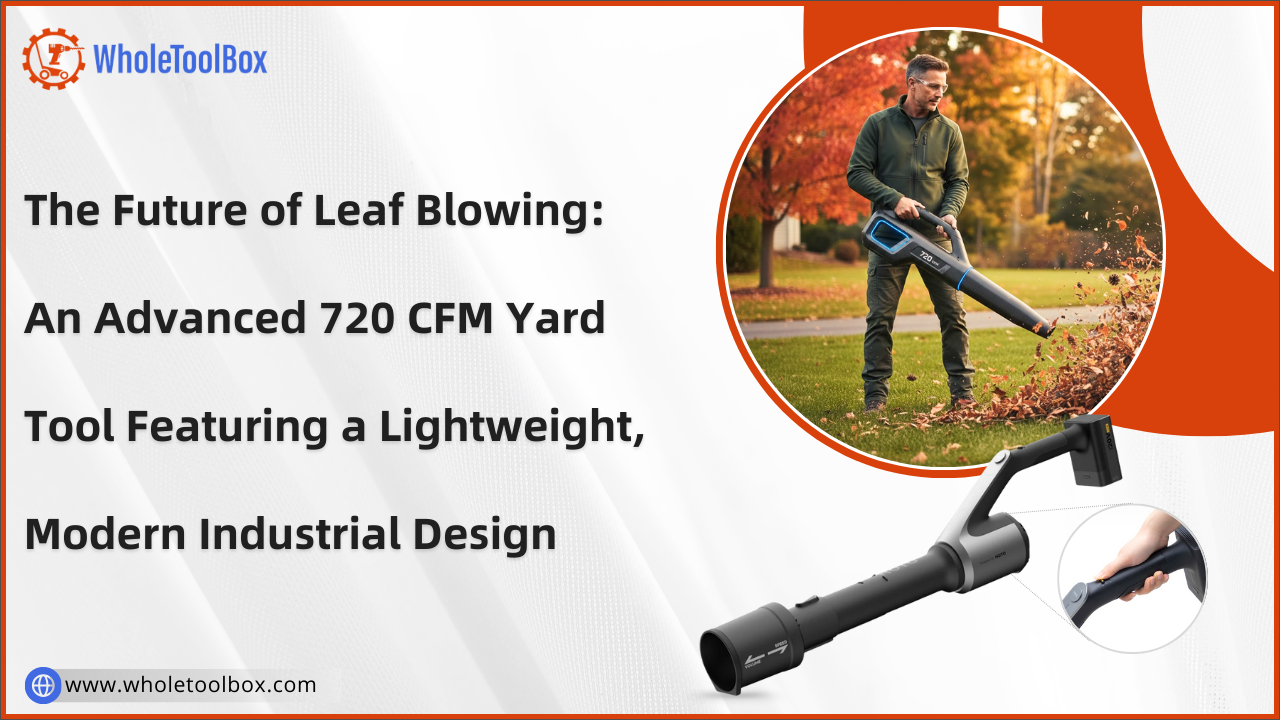
Leaf blowing has entered a new era with the introduction of advanced 720 CFM yard tools designed to deliver exceptional airflow, greater efficiency, and modern industrial styling. Whether maintaining a residential lawn or managing large commercial landscapes, this high-performance blower brings unmatched power in a lightweight, ergonomic build. Its streamlined design enhances control while reducing strain, making routine cleanup faster and more comfortable for all users.
As landscaping needs evolve, homeowners and professional groundskeepers alike require tools that deliver reliability, productivity, and ease of use. A 720 CFM leaf blower meets these demands through improved airflow technology, extended durability, and user-friendly handling. With stronger performance and smarter engineering, it sets a new standard for clean, well-maintained outdoor spaces.
How Modern Industrial Design is Transforming Leaf Blowers
Modern industrial design is making leaf blowers lighter, more efficient, and easier to handle. New materials, shapes, and features enhance performance while improving user comfort.
Key Innovations:
-
Sleek, ergonomic designs reduce fatigue during extended use.
-
Advanced airflow channels boost cleaning efficiency.
-
Lightweight, durable materials improve portability and durability.
-
Intuitive controls and safety features make operation easier and safer.
-
Modular components allow for easy maintenance and upgrades.
From Traditional to Modern: Selecting the Perfect Leaf Blower
Over the years, leaf blowers have transformed from bulky, hard-to-handle machines to efficient, versatile yard tools. Advancements have improved comfort, ergonomics, and environmental impact, making them accessible for homeowners and professionals alike.
Additional Considerations When Choosing a Leaf Blower:
Beyond power and type, factors like comfort, noise, and environmental impact can make a big difference in your experience.
-
Ergonomics: Modern blowers are designed to reduce strain on your back and arms, with padded straps for backpacks and lightweight materials for handheld units.
-
Noise Levels: Quieter models are ideal for residential neighborhoods, while gas blowers may be better suited for commercial work where noise is less of a concern.
-
Environmental Impact: Battery and corded electric blowers produce zero emissions, making them eco-friendly alternatives to traditional gas blowers.
-
Attachments & Versatility: Many blowers now include adjustable nozzles, vacuum and mulching functions, and variable speed controls for better precision.
-
Storage & Maintenance: Compact designs make storage easier, and electric or battery models require minimal maintenance compared to gas-powered units.
By considering these factors in addition to power and form, users can select a leaf blower that perfectly matches their yard size, cleanup needs, and comfort preferences.
Explore how cordless leaf blowers are revolutionizing winter yard care in 2025, making debris and leaf cleanup faster, easier, and more efficient.
Understanding Leaf Blower Types: Power Sources and Physical Forms
Leaf blowers come in different power sources and physical designs to suit various yard sizes and tasks. The tables below compare their features and benefits.
Leaf Blower Types by Power Source:
This table compares gas, battery, and corded electric leaf blowers, highlighting their power, runtime, mobility, and ideal use cases.
|
Feature |
Gas-Powered |
Battery (Cordless) |
Corded Electric |
|
Power/CFM |
Very strong, perfect for heavy-duty jobs |
Moderate, depends on battery size |
Moderate to high, consistent airflow |
|
Runtime |
Long, limited only by the fuel tank |
30–60 minutes per charge |
Unlimited, as long as plugged in |
|
Mobility |
High, no cords, can cover large areas |
High, cordless, but the battery adds some weight |
Limited by cord length |
|
Weight |
Heaviest due to the engine |
Medium battery adds some bulk |
Lightest, compact, and easy to handle |
|
Noise |
The loudest engine makes a lot of noise |
Quiet, low noise |
Quiet, low noise |
|
Maintenance |
Requires fuel, oil, a spark plug, and filters |
Low; just charge and care for the battery |
Very low; mostly plug and play |
|
Emissions |
Produces exhaust fumes |
Zero emissions |
Zero emissions |
|
Cost |
High initial and operating costs |
Medium to high, depending on battery size |
Low initial and operating costs |
|
Best for |
Large yards, heavy debris, professional use |
Small to medium yards, occasional use |
Small yards, light debris, budget-friendly |
Leaf Blower Types by Physical Form:
This table highlights the main blower designs: handheld, backpack, and wheeled.
|
Form |
Description |
Typical Power |
Comfort/Ease of Use |
Best Use Cases |
|
Handheld |
Small, compact blower held with one hand |
150 to 600 CFM |
Lightweight, easy to maneuver |
Small yards, patios, and sidewalks |
|
Backpack |
Worn on the back with straps to spread the weight |
400 to 800 CFM |
Comfortable for long periods |
Large yards, professional landscaping |
|
Wheeled |
Mounted on wheels for easy pushing/pulling |
600 to 900 CFM |
Very low physical strain |
Very large areas, commercial properties |
Also check out what makes DeWalt’s 60V Max Backpack Leaf Blower stand out, with exceptional power, a user-friendly design, and long-lasting battery performance.
Key Advantages of a High-Performance 720 CFM Leaf Blower
A 720 CFM leaf blower offers powerful airflow that makes outdoor cleanup quicker and more efficient. It’s the ideal tool for tackling both routine yard work and heavy-duty debris removal.
Key Advantages:
-
Powerful Airflow: Moves a large volume of air, making it easy to clear leaves, dirt, twigs, and stubborn debris in seconds. This ensures your yard looks clean and maintained with minimal effort.
-
Faster Cleanup: The strong airflow reduces the number of passes needed, helping you finish tasks in a fraction of the time compared to standard blowers. This is especially useful for busy homeowners or landscaping professionals.
-
Great for Large Areas: Perfect for big lawns, long driveways, wide patios, and expansive outdoor spaces. A 720 CFM blower handles heavy-duty cleanup efficiently, so you don’t have to spend hours managing large properties.
-
Handles Tough Debris: Easily clears wet leaves, dense piles, and compacted debris that lower-powered blowers struggle with. It’s ideal for post-storm cleanup or seasonal yard maintenance.
-
Precise Control: Many models come with variable speed settings, allowing you to adjust airflow for tight corners, delicate garden beds, or areas near plants and flowers. This gives you professional-level accuracy.
-
Versatile Use: Beyond leaves, a 720 CFM blower is great for cleaning gutters, removing storm debris, clearing garages, driveways, patios, and general landscaping tasks. One tool can handle multiple outdoor chores.
-
Less Effort: High power means debris is moved faster, reducing physical strain and fatigue. Even long or repeated cleanup sessions are easier, making yard work less tiring.
-
Professional Grade: Built for reliability and speed, these blowers are suitable for landscapers, contractors, and property managers who need consistent performance day after day.
Tips for Maximizing Performance with Your 720 CFM Leaf Blower
To get the most out of an advanced 720 CFM blower, both homeowners and commercial users should follow a few best practices that help maintain efficiency and extend the tool’s lifespan.
-
Choose the Right Nozzle: Use task-specific attachments such as flat nozzles for targeted airflow or round nozzles for wider coverage. Selecting the correct nozzle helps increase accuracy and speed up cleanup.
-
Maintain Power Levels: For battery models, keep batteries fully charged and store them properly to preserve performance. For gas units, use clean fuel and follow routine maintenance schedules. Stable power output ensures consistent airflow.
-
Work in Clear Patterns: Move debris in a controlled, directional pattern rather than random passes. This method reduces time and effort while improving overall cleanup efficiency.
-
Clean Air Filters Often: Airflow decreases significantly when filters are dirty. Clean or replace filters at recommended intervals to prevent motor strain and maintain peak output.
-
Inspect for Wear: Check for loose screws, worn parts, or blocked vents. Early detection of wear helps prevent damage, ensures reliable operation, and maintains high airflow performance.
By following these simple practices, you can ensure your 720 CFM leaf blower performs at peak efficiency throughout the year.
Final Thoughts: Smarter, Efficient, and High-Performance Leaf Blowing
The future of leaf blowing is defined by smarter design, powerful engineering, and enhanced user comfort. Advanced 720 CFM leaf blowers combine these elements, delivering a high-performance solution for homeowners and commercial landscapers alike. With superior airflow, ergonomic construction, and modern industrial styling, these tools make outdoor maintenance faster, easier, and more efficient.
As landscaping needs continue to grow, investing in a 720 CFM blower guarantees consistent performance, long-term durability, and professional-quality results. From small backyards to expansive commercial properties, these next-generation yard tools set a new standard for productivity and convenience. With ongoing innovation in design, materials, and technology, the future of leaf blowing promises smarter, more efficient, and user-friendly outdoor care for everyone.
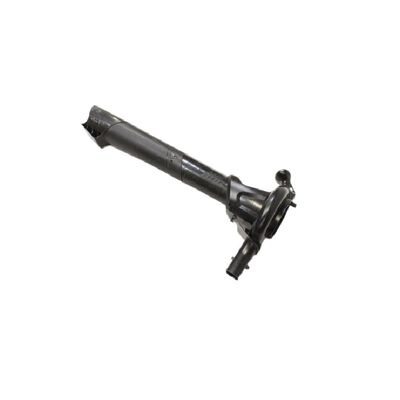
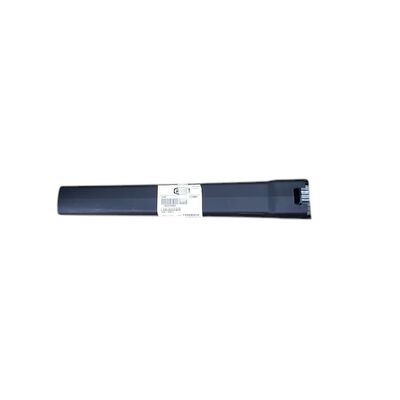
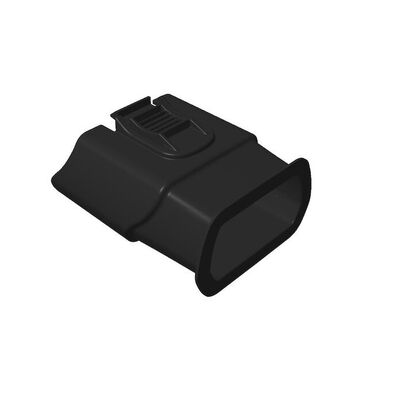
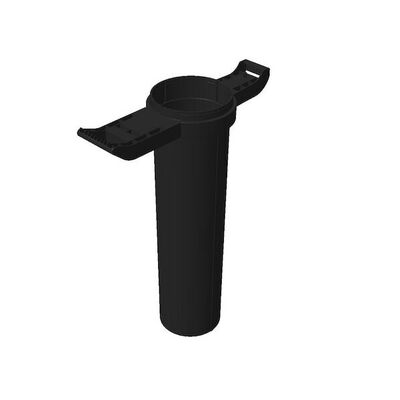
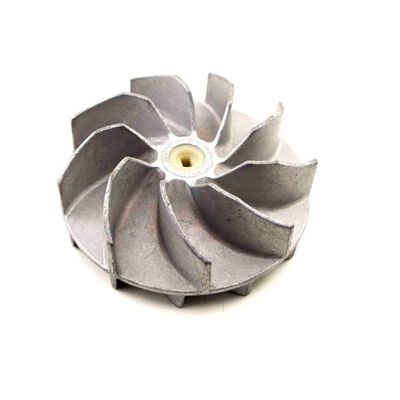
Upgrade your leaf blower with premium parts from WholeToolBox, including high-performance impellers, durable nozzles and attachments, and dependable ignition coils perfect for keeping Toro, MTD, and other leading brands running stronger, cleaner, and more efficiently.
References:
https://www.leaveleavesalone.org/regulations/
https://grist.org/solutions/gas-powered-leaf-blowers-bans-challenges/
FAQs
How many years should a leaf blower last?
A well-maintained leaf blower can last 5 to 10 years, depending on type, usage, and care.
How often should I change the spark plug in my leaf blower?
You should change the spark plug in your leaf blower after about 25–30 hours of use.
What matters more, CFM or MPH?
CFM matters more for moving large volumes of debris, while MPH affects the speed of airflow for heavier leaves.