How Battery-Powered Equipment Is Transforming the Future of Landscape Gardening
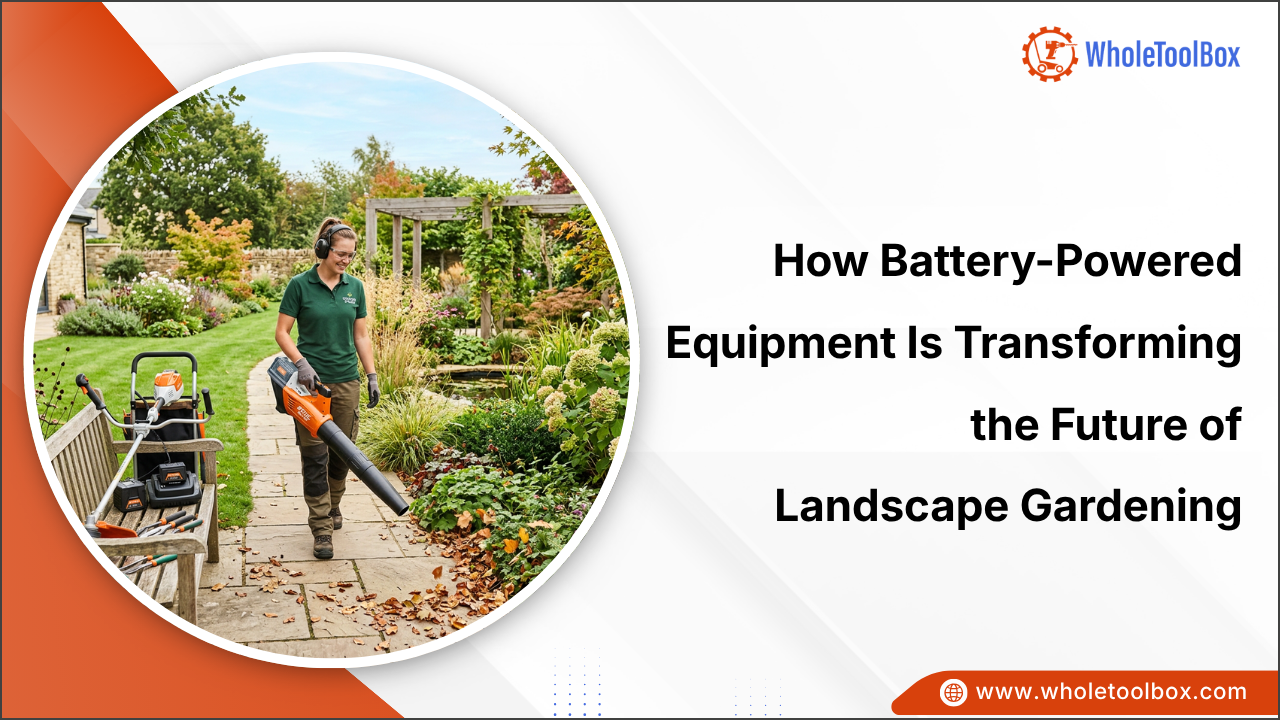
Battery-powered equipment is changing how homeowners and landscaping professionals approach lawn and garden maintenance in 2026. Cordless mowers, trimmers, blowers, chainsaws, and other outdoor tools now offer practical alternatives to gasoline-powered equipment, with quieter operation, simpler maintenance, and no direct exhaust emissions during use.
Advances in lithium-ion batteries, brushless motors, and fast-charging technology have improved the power, runtime, and usability of cordless equipment. Interchangeable battery platforms also allow multiple landscaping tools to operate using the same battery system, helping users simplify equipment management and reduce reliance on gasoline.
As technology continues to develop, battery-powered landscaping equipment is expected to become more capable and widely adopted. This article explores the major equipment types, battery advancements, cost and maintenance considerations, and emerging technologies shaping the future of landscape gardening.
|
Table of Contents: |
Why Battery-Powered Equipment Is Gaining Popularity
Battery-powered landscaping equipment is increasingly popular in 2026 because it offers quieter operation, zero direct exhaust emissions, and easier maintenance than gasoline-powered tools. Cordless blowers, trimmers, and mowers also eliminate the need for fuel mixing, frequent refueling, and engine fumes, making them practical for residential and commercial landscaping.
Stricter emissions regulations and local incentive programs are supporting the shift toward electric equipment. Landscapers can also benefit from simpler maintenance, push-button starting, and fewer engine-related service requirements. These advantages make battery-powered tools suitable for neighborhoods, commercial properties, parks, and other noise-sensitive areas.
Advances in lithium-ion batteries, brushless motors, and fast-charging systems are improving power and runtime. Interchangeable battery platforms also allow users to operate multiple tools with the same battery system, making cordless equipment a practical choice for a wider range of landscape maintenance applications.
Types of Battery-Powered Equipment for Landscaping
The following are the main types of battery-powered equipment commonly used for landscaping and outdoor maintenance:
- Lawn Mowers: Cordless lawn mowers are available as push, self-propelled, walk-behind, and riding models. Many use 40V to 80V lithium-ion battery systems, which can provide enough runtime for routine residential mowing. Larger battery platforms also support commercial zero-turn and riding mowers.
- String Trimmers and Brushcutters: Battery-powered string trimmers are useful for edging lawns and reaching areas that mowers cannot easily access. 20V to 40V systems are common for residential work, while higher-voltage models provide the additional power needed for commercial trimming and heavier vegetation.
- Leaf Blowers: Cordless leaf blowers are available in handheld and backpack configurations. Modern models provide strong airflow without gasoline, engine fumes, or the high noise levels associated with many gas blowers. Higher-capacity batteries can support longer cleanup sessions.
- Chainsaws and Hedge Trimmers: Battery chainsaws provide a convenient option for pruning branches and handling smaller cutting jobs. Cordless hedge trimmers offer greater mobility for shaping shrubs, hedges, and ornamental plants. Pole pruners and battery-powered edgers are also widely available for specialized landscaping tasks.
- Other Battery-Powered Equipment: The cordless category continues to expand with robotic mowers, pressure washers, garden vacuums, and other outdoor tools. Many products operate within shared battery platforms, allowing users to power multiple compatible tools with fewer battery systems.
The table below highlights representative battery-powered landscaping equipment available in the U.S. market, along with their battery specifications and typical performance.
|
Equipment Type |
Example |
Battery |
Typical Performance |
|
Push Mower |
EGO LM2114 |
56V, 6.0Ah |
Up to 50–55 min. runtime |
|
Self-Propelled Mower |
Toro Flex-Force 60V |
60V |
About 45–60 min. |
|
Ride-On Mower |
John Deere Z370R |
56V × 2 |
Suitable for larger lawns |
|
Backpack Blower |
STIHL BGA 200 |
36V |
Up to 21N blowing force |
|
Handheld Blower |
EGO LB5800 |
56V, 5.0Ah |
Up to 650 CFM |
|
String Trimmer |
Husqvarna 520iLX |
36V |
About 30–50 min. |
|
Chainsaw |
STIHL MSA 200 C-BQ |
36V, 2.6Ah |
12-inch bar |
|
Hedge Trimmer |
EGO HT2410 |
56V, 5.0Ah |
22-inch blade |
|
Robotic Mower |
Husqvarna Automower 430X |
36V |
Automated lawn maintenance |
|
Snow Blower |
Greenworks 80V |
80V, 4.0Ah |
About 25 min. |
Check out low maintenance lawn alternatives using ground cover plants for dry climates for sustainable lawn care
Advances in Battery Technology for Outdoor Equipment
Below are the key advances in battery technology that are improving the performance, efficiency, and usability of outdoor landscaping equipment.
- Higher Energy Density: Modern lithium-ion cells store more energy in smaller, lighter battery packs, helping extend tool runtime without significantly increasing weight. Higher energy density allows manufacturers to deliver longer operating times while keeping cordless landscaping equipment easier to handle.
- Improved Battery Management: Advanced Battery Management Systems (BMS) monitor temperature, charging, and cell performance to improve safety, efficiency, and battery life. A BMS can help protect battery cells from conditions such as overcharging, excessive temperature, and abnormal operating conditions.
- Efficient Brushless Motors: Brushless motors reduce energy loss and deliver efficient power, helping cordless tools achieve stronger performance and longer runtime.
- Faster Charging: New charging systems can replenish high-capacity batteries more quickly, reducing downtime during demanding landscaping jobs.
- Interchangeable Battery Platforms: Shared battery systems allow one battery to power multiple tools, including mowers, blowers, trimmers, and chainsaws.
- Professional-Grade Power: Higher-voltage battery systems, larger-capacity packs, and multi-battery configurations are making cordless equipment suitable for commercial landscaping operations.
Cost and Maintenance Considerations for Battery-Powered Equipment
Battery-powered equipment can cost more initially, but lower energy use, simpler maintenance, and longer-term operating savings can make it a cost-effective option. Below are the key cost and maintenance considerations for battery-powered landscaping equipment:
- Higher Upfront Cost: Cordless mowers, blowers, and other tools can have a higher purchase price than comparable gas-powered models, particularly when batteries and chargers are included.
- Lower Operating Costs: Electricity generally costs less than gasoline over the life of the equipment. Battery tools also eliminate expenses related to engine oil, spark plugs, fuel filters, and other routine engine servicing.
- Simpler Maintenance: Battery-powered tools have fewer mechanical components and do not require carburetor cleaning, fuel-system maintenance, oil changes, or seasonal fuel preparation.
- Battery Care: Store batteries in a cool, dry location and follow the manufacturer's charging and storage recommendations. Proper care can help maintain battery capacity and extend service life.
- Charging Requirements: Homeowners can typically charge batteries using a standard electrical outlet, while professional crews may need multi-port chargers, spare batteries, or dedicated charging stations to minimize downtime.
- Rebates and Incentives: Local governments, utilities, and air-quality programs may offer incentives for replacing gasoline-powered equipment with electric alternatives, helping reduce the initial investment.
- Long-Term Value: Although battery equipment may require a larger upfront investment, reduced fuel, maintenance, and servicing costs can improve its total cost of ownership over time.
Emerging Technologies Shaping Battery-Powered Landscaping
The following emerging technologies are expected to shape the future of battery-powered landscaping equipment:
- Next-Generation Batteries: Solid-state, lithium-sulfur, and sodium-ion technologies are being developed to improve energy density, charging speed, safety, and cost. These technologies could eventually provide longer runtimes and lighter battery packs.
- Smarter Charging Systems: Faster chargers, multi-battery charging stations, and future wireless charging solutions could reduce downtime and make battery management easier for homeowners and landscaping crews.
- Connected Equipment: IoT-enabled tools can monitor battery levels, runtime, usage, and maintenance needs through connected apps. These features can help users manage equipment and plan charging more efficiently.
- AI-Powered Battery Management: Advanced software could analyze usage patterns and optimize charging, runtime, and battery health based on individual work schedules.
- Robotic Landscaping Equipment: Robotic mowers and other autonomous tools are expanding the role of battery power in lawn maintenance, allowing routine tasks to be completed with less manual effort.
- Stronger Electrification Trends: Emissions regulations and local policies may continue encouraging the replacement of gasoline-powered landscaping equipment with electric alternatives, supporting wider adoption of battery-powered technology.
Check out the top 10 outdoor power tools you need this summer for faster yard work and efficient yard maintenance
Summary: The Future of Battery-Powered Landscaping
Battery-powered equipment is becoming a practical choice for modern landscape gardening, offering quieter operation, easier maintenance, and improved efficiency. Advances in battery technology, charging systems, smart tools, and robotics are making cordless equipment more capable for both residential and professional landscaping.
Key Takeaways
- Battery-powered tools offer quieter operation and zero direct exhaust emissions.
- Cordless equipment now covers mowing, trimming, blowing, pruning, and cleanup tasks.
- Improved batteries and brushless motors are increasing power and runtime.
- Shared battery platforms make it easier to use multiple tools with one battery system.
- Lower fuel and maintenance needs can reduce long-term operating costs.
- Smart technology and robotics are expected to expand battery-powered landscaping applications.
Shop high-quality lawn and garden equipment parts at WholeToolBox, including lawn mowers, trimmers, blowers, chainsaws, and other replacement parts for efficient outdoor equipment maintenance and repairs.
FAQs
How long do battery-powered landscaping batteries typically last?
Lithium-ion batteries for landscaping equipment can often last several years, depending on charge cycles, temperature, storage conditions, and usage. Following the manufacturer’s charging and storage guidelines can help extend battery life.
Can battery-powered landscaping equipment work in wet conditions?
Some battery-powered landscaping equipment is designed to resist moisture, but water resistance varies by model. Always check the manufacturer’s specifications before using equipment in rain or wet conditions, and keep batteries and chargers dry.
What does battery voltage mean for landscaping equipment?
Battery voltage indicates the electrical potential available to power the tool. Higher-voltage systems can generally support higher power demands and are commonly used for demanding applications such as commercial mowing, brush cutting, and heavy-duty blowing.
How should lithium-ion batteries be stored between landscaping seasons?
Store lithium-ion landscaping batteries in a cool, dry location away from direct sunlight and extreme temperatures. Avoid prolonged storage when fully depleted and follow the manufacturer’s recommended storage charge level to help maintain battery health.
|
Disclaimer: This content is for informational purposes only. Always verify product specifications, safety instructions, and local regulations before use. |