Maximize Yard Cleanup with Turbo Boost Technology and Superior Leaf Blower Airflow
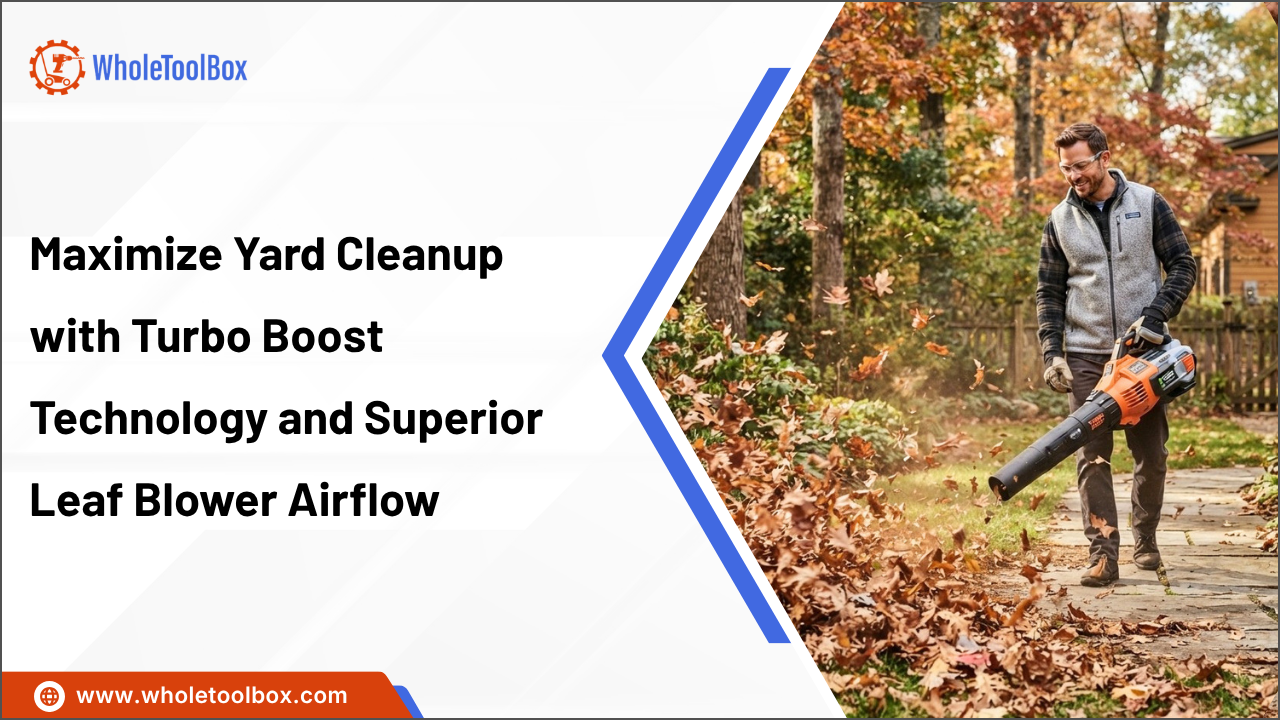
Yard cleanup can take longer when wet leaves, grass clippings, pine needles, and compacted debris are difficult to move. A high-airflow leaf blower helps clear these materials faster by delivering a stronger blowing force and covering larger areas with fewer passes.
Turbo Boost technology provides an additional performance advantage by temporarily increasing motor output, thereby producing higher airflow and air velocity. This extra power is especially useful for clearing heavy or stubborn debris that standard operating modes may struggle to move.
This blog covers how Turbo Boost technology works, the benefits of high-airflow leaf blowers, how CFM and MPH affect performance, how to choose the right blower, and maintenance tips to keep airflow at maximum.
|
Table of Contents: |
What Is Turbo Boost Technology in a Leaf Blower and How Does It Work
Turbo Boost technology is a high-performance mode that temporarily increases a leaf blower’s motor power to produce stronger airflow and higher air velocity. It helps users clear difficult debris, including wet leaves, grass clippings, and compacted yard waste, by delivering extra blowing force only when needed.
The Working Mechanism of Turbo Boost Technology in Leaf Blowers
The following components work together to deliver increased airflow, improved blowing force, and efficient power management during demanding cleanup tasks:
- Increased Motor Output: The electronic control system sends more power from the battery to the motor, increasing fan speed and airflow.
- Brushless Motor Efficiency: Brushless DC motors reduce friction, heat, and energy loss while providing better speed control and longer service life.
- Smart Battery Management: High-output lithium-ion batteries supply the extra power required, while battery systems monitor temperature to prevent overheating.
- Short-Term Power Boost: Since Turbo Boost uses more energy, it is best used for heavy-duty cleanup areas rather than continuous operation.
Key Benefits of High-Airflow Leaf Blowers for Faster Yard Cleanup
Below are the key benefits of using high-airflow leaf blowers for faster, more efficient yard cleanup:
- Faster Debris Removal: Higher airflow allows users to move larger piles of leaves and debris in fewer passes, reducing overall cleanup time.
- Better Performance on Tough Debris: Strong air velocity helps loosen wet leaves, pine needles, and compacted yard waste that are difficult to move with lower-powered blowers.
- Wider Cleaning Coverage: Increased CFM pushes more debris across larger areas, making it ideal for lawns, driveways, sidewalks, and commercial properties.
- Reduced Physical Effort: Powerful airflow minimizes repeated sweeping motions, helping users complete yard maintenance with less strain.
- Improved Efficiency for Professionals: Landscapers benefit from faster cleanup cycles, increased productivity, and better handling of large outdoor spaces.
How to Choose the Right Leaf Blower Based on Airflow, CFM, and MPH
Choosing the right leaf blower depends on yard size, debris type, and required airflow performance. CFM determines how much air the blower moves, while MPH controls the speed and force of that airflow. Below are the recommended airflow levels for different yard sizes and cleanup requirements.
- Small Residential Yards: Compact cordless blowers with 300–400 CFM are suitable for small lawns, patios, sidewalks, and driveways. They provide enough airflow for light leaf coverage while remaining lightweight and easy to control.
- Medium-Sized Properties: Blowers with 400–700 CFM offer better coverage and faster cleanup for larger lawns. These models are ideal for seasonal leaf removal and properties with moderate tree coverage.
- Large Properties and Professional Use: Heavy-duty blowers with 700–900+ CFM are designed for large yards, commercial landscapes, and areas with heavy debris buildup. Backpack models are often preferred for extended use because they combine high airflow with improved operator comfort.
The table below compares high-performance leaf blower models, highlighting their power source, airflow output, and performance features.
|
Leaf Blower Model |
Power Source |
Airflow Performance |
Best Feature |
|
EGO Power+ LB7654 |
56V Battery |
765 CFM / 200 MPH |
High blowing force with Turbo Boost capability |
|
Ryobi 40V HP Whisper Series |
40V Battery |
730 CFM / 190 MPH |
Low-noise operation for residential use |
|
Husqvarna Leaf Blaster 350iB |
36V Battery |
800 CFM / 200 MPH |
High airflow for demanding cleanup tasks |
|
Toro 60V Max Brushless |
60V Battery |
605 CFM / 157 MPH |
Efficient airflow design for everyday yard maintenance |
Find out how to choose the best leaf blower for your lawn without overspending and maximize your budget
Maintenance Tips to Keep Your Leaf Blower Delivering Maximum Airflow
Below are the key maintenance practices to help keep your leaf blower delivering maximum airflow and consistent performance:
- Keep Intake Vents Clear: Clean intake vents regularly to remove leaves, dust, and debris that can restrict airflow and force the motor to work harder.
- Inspect the Impeller and Fan Components: Check the impeller and fan blades for cracks, damage, or unusual vibrations, as worn components can reduce airflow and affect overall performance.
- Check Nozzle Connections: Inspect blower tubes and nozzle attachments for loose connections or damage to maintain a sealed airflow path and maximize blowing force.
- Maintain Battery-Powered Leaf Blowers: Protect battery performance by allowing batteries to cool after heavy use, keeping contacts clean, and storing them properly when not in use.
- Maintain Gas-Powered Leaf Blowers: Keep gas models running efficiently by cleaning air filters, checking fuel components, and using fresh fuel to maintain consistent motor power and airflow.
Summary: Improve Yard Maintenance with Turbo Boost and Optimized Airflow Performance
Turbo Boost technology and advanced airflow systems help modern leaf blowers deliver faster, more efficient yard cleanup by providing extra power when needed. Understanding CFM, MPH, and airflow balance allows users to select the right blower for their property and debris conditions.
Key Takeaways
- Turbo Boost technology delivers extra power for clearing wet leaves, heavy debris, and challenging cleanup areas.
- Balanced CFM and MPH performance ensures better airflow, stronger blowing force, and efficient debris movement.
- High-airflow leaf blowers reduce cleanup time by covering larger areas with fewer passes.
- Brushless motors and smart battery systems improve efficiency, durability, and overall blower performance.
- Selecting the right blower based on yard size and debris type helps achieve better results.
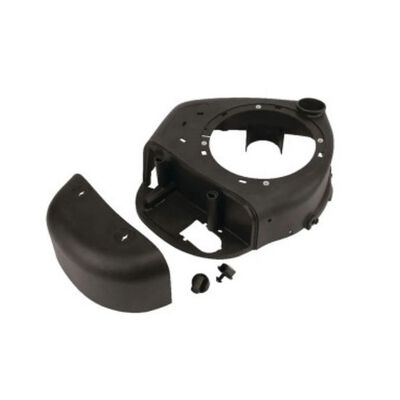
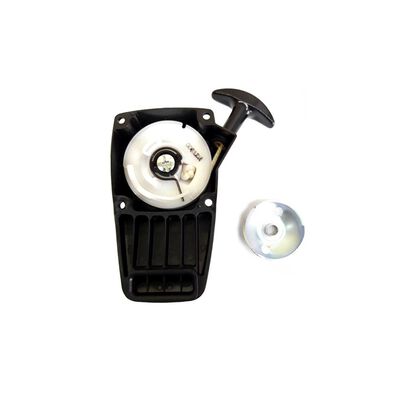
Looking for high-quality leaf blower parts to keep your equipment running smoothly? At WholeToolBox, we offer lawn & garden equipment parts, including adapters, batteries, chargers, fuel tanks & more.
FAQs
How does Turbo Boost affect leaf blower battery life?
Turbo Boost increases power output by drawing more energy from the battery, which reduces runtime compared with normal operating modes. It is designed for short bursts when clearing heavy debris rather than continuous use.
Can Turbo Boost damage a leaf blower motor?
No, Turbo Boost does not damage a leaf blower when used correctly. Built-in electronic controls and thermal protection systems regulate power output to prevent overheating and protect the motor and battery.
Why does my leaf blower lose power during high-speed operation?
A leaf blower may reduce power during high-speed operation due to battery temperature limits, blocked air intake vents, damaged components, or automatic thermal protection that prevents overheating.
How often should a leaf blower be maintained for maximum airflow?
A leaf blower should be inspected before regular use, with intake vents cleaned frequently and components such as the impeller, nozzle, filters, and battery contacts checked periodically to maintain airflow performance.
|
Disclaimer: This article is for informational purposes only. Leaf blower performance, features, and specifications may vary by model, so always follow manufacturer guidelines for safe operation and maintenance. |