10 Essential Steps to Prepare Your Lawn Mower for a Trouble-Free Summer
Is your lawn mower ready to handle the demands of summer mowing? After months of limited use or storage, your mower may face problems like hard starting, uneven grass cutting, reduced power, and unexpected breakdowns.
Preparing your lawn mower before summer ensures essential components are working properly. Simple maintenance tasks such as changing engine oil, cleaning the mower deck, inspecting lawn mower parts, sharpening blades, and checking fuel quality can improve performance and prevent costly repairs.
This blog covers 10 essential steps to prepare your lawn mower for a trouble-free summer. Follow this checklist to improve cutting efficiency, reduce maintenance issues, and keep your mower reliable throughout the mowing season.
|
Table of Contents: |
Why Preparing Your Lawn Mower for Summer Matters
Summer is the most demanding lawn care season in the USA, with faster grass growth requiring mowers to run more frequently. Proper seasonal preparation prevents issues like dull blades, clogged filters, overheating, and poor engine performance, keeping your mower reliable and efficient.
Importance of Seasonal Maintenance
Regular lawn mower maintenance helps keep essential components working properly and reduces the risk of breakdowns during heavy summer use. Proper maintenance can help:
- Improve engine reliability and starting performance
- Maintain consistent grass cutting quality
- Reduce fuel consumption and improve efficiency
- Prevent overheating and excessive component wear
- Extend the lifespan of your lawn mower
- Detect damaged or worn lawn mower parts before failure
Seasonal conditions across different regions of the USA can also impact mower maintenance needs:
- Dry and Dusty Areas: Require frequent air filter cleaning to prevent restricted airflow and engine strain
- Humid Regions: Need regular cleaning to reduce rust and corrosion on metal components
- Rainy Climates: May require additional inspections for moisture buildup and undercarriage debris
- Hot Areas: Require regular oil checks and cooling system inspections to prevent overheating
Essential Tools and Supplies You'll Need for Lawn Mower Maintenance
Before preparing your lawn mower for summer, gather the required tools and maintenance supplies to complete the process efficiently. Having the right equipment ready helps you inspect components, replace worn parts, and perform routine maintenance without interruptions.
Basic Hand Tools
Basic hand tools help with removing covers, tightening fasteners, replacing components, and completing general inspections. Essential tools include:
- Socket wrench set
- Screwdrivers
- Adjustable wrench
- Pliers
- Spark plug socket
- Cleaning brush
- Safety gloves
- Safety glasses
Along with basic tools, several maintenance supplies are essential for inspecting, servicing, and improving lawn mower performance before the summer mowing season. These essential supplies are mentioned below.
- Engine Oil: Fresh engine oil reduces friction and protects engine parts from wear. Use the recommended oil type, check levels before mowing, and replace old oil to maintain smooth performance.
- Air Filter: The air filter blocks dust and debris from entering the engine. Inspect, clean, or replace the filter to maintain airflow, fuel efficiency, and reliable starting.
- Spark Plug: The spark plug supports engine ignition and performance. Check for dirt, corrosion, or wear, and replace old plugs to improve starting reliability.
- Fuel Stabilizer: Fuel stabilizer prevents fuel deterioration during storage and protects the fuel system. It helps maintain fuel quality and supports easier summer startups.
- Blade Sharpening Tools: Sharp blades provide cleaner cuts and reduce engine strain. Use tools like a file, sharpener, grinder, or balancing tool for proper blade maintenance.
- Cleaning Brush and Protective Gear: Cleaning removes grass clippings and debris that affect mower performance. Use a brush and wear gloves and safety glasses for safe maintenance.
Your Complete 10-Step Lawn Mower Summer Prep Checklist
Follow these 10 essential maintenance steps to get your mower ready for the mowing season.
Step 1: Clean the Mower Deck
Grass clippings and debris under the mower deck can restrict airflow, trap moisture, and cause corrosion. Remove buildup using a brush or scraper after disconnecting the spark plug wire for safety. A clean mower deck improves grass flow and cutting performance.
Step 2: Change the Engine Oil
Fresh engine oil reduces friction, protects internal components, and helps maintain proper engine cooling. Drain old oil completely and refill with the manufacturer-recommended oil before summer mowing. Regular oil changes help maintain smooth engine operation during frequent use.
Step 3: Replace or Clean the Air Filter
A clean air filter allows proper airflow for efficient engine combustion. Inspect the filter before summer and clean reusable filters or replace damaged ones. Maintaining the air filter improves fuel efficiency and prevents unnecessary engine strain.
Step 4: Inspect and Replace the Spark Plug
A worn spark plug can cause hard starting, rough operation, and poor engine performance. Check for dirt, carbon buildup, damage, or wear, and replace the spark plug if needed to improve ignition reliability.
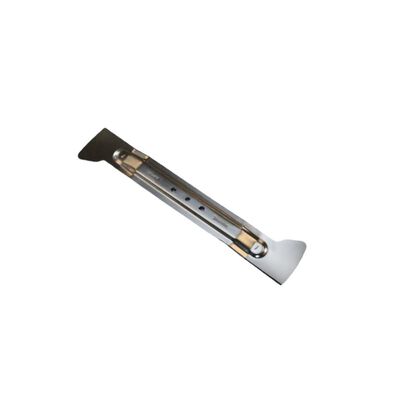
Step 5: Sharpen and Balance the Mower Blade
A dull blade tears grass rather than making clean cuts, resulting in an uneven lawn appearance. Sharpen the blade evenly and balance it properly to reduce vibration, improve cutting quality, and reduce engine workload.
Step 6: Check Tire Pressure and Wheels (If Applicable)
Proper tire pressure helps riding mowers maintain consistent cutting height and smooth movement. Inspect tire pressure, wheel condition, bolts, and any signs of damage to prevent uneven mowing patterns.
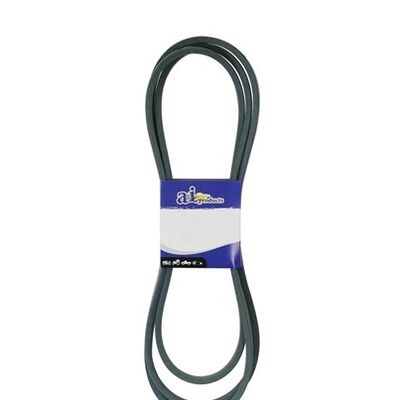
Step 7: Inspect Belts, Cables, and Fasteners
Loose or damaged components can affect mower performance and safety. Check drive belts, control cables, safety handles, mounting bolts, and wheel fasteners. Replace worn parts before they fail during summer use.
Step 8: Refill with Fresh Fuel or Add Fuel Stabilizer
Old fuel can cause carburetor issues, starting problems, and uneven engine performance. Use fresh gasoline before summer mowing and add fuel stabilizer when storing the mower for extended periods.
Step 9: Lubricate Moving Parts
Proper lubrication reduces friction and prevents premature wear on moving components. Apply manufacturer-approved lubricants to areas such as wheel bearings, pivot points, cables, and moving joints.
Step 10: Test Run and Make Final Safety Checks
After completing maintenance, run the mower briefly to confirm everything works properly. Check for smooth starting, unusual noises, excessive vibration, blade operation, and safety control functions before regular mowing begins.
Check out smart lawn care evolution with intelligent robot mower technology to discover the future of automated mowing
Common Lawn Mower Maintenance Mistakes to Avoid This Summer
Avoiding common lawn mower maintenance mistakes can help prevent costly repairs and ensure your mower performs efficiently throughout the summer. The following issues should be addressed:
- Skipping Oil Changes: Old engine oil increases friction and reduces protection for internal components. Regular oil changes are necessary for reliable engine performance.
- Using Old Fuel: Stale fuel is a common cause of starting problems. Always replace old gasoline or use fuel stabilizer when storing your mower.
- Mowing With Dull Blades: Dull blades reduce cutting quality and force the engine to work harder. Sharpen blades regularly for efficient operation.
- Ignoring Loose Hardware: Loose bolts and fasteners can cause vibration, noise, and damage to components. Inspect hardware regularly.
- Neglecting Air Filter Maintenance: A dirty air filter restricts airflow and reduces engine efficiency. Regular cleaning or replacement improves performance.
Check out low maintenance lawn alternatives using ground cover plants for dry climates to explore drought-friendly ground covers
Summary: Keeping Your Lawn Mower Ready for Summer Performance
Preparing your lawn mower before summer helps prevent common issues, improve cutting performance, and reduce unexpected repairs during the mowing season. Regular maintenance tasks like changing oil, cleaning filters, sharpening blades, and checking essential components keep your mower operating efficiently throughout heavy summer use.
Key Takeaways
- Clean the mower deck to remove grass buildup and prevent performance issues
- Change engine oil regularly to protect internal components and improve efficiency
- Inspect air filters and spark plugs to maintain proper engine operation
- Sharpen and balance mower blades for cleaner cuts and reduced engine strain
- Use fresh fuel and fuel stabilizer to prevent starting problems
- Check belts, tires, fasteners, and moving parts before regular summer mowing
Shop lawn equipment parts at WholeToolBox. We offer high-quality lawn mower replacement parts like ignition switches, drive cables, solenoids, starters, fuses, relays, and more to keep your equipment running efficiently.
References:
https://www.epa.gov/watersense/landscaping-tips
FAQs
What type of fuel is best for a lawn mower in summer?
Fresh gasoline with the recommended octane rating from the manufacturer is best for summer use. Avoid using old fuel, as it can cause starting issues and engine performance problems.
How often should a lawn mower be serviced during summer?
A lawn mower should be inspected regularly during heavy summer use, with maintenance performed based on usage, operating conditions, and manufacturer recommendations.
Why does my lawn mower lose power in hot weather?
A mower may lose power due to clogged air filters, dirty spark plugs, old fuel, overheating, or a dull blade that increases engine load.
How can I extend my lawn mower’s lifespan?
Regular cleaning, timely oil changes, blade sharpening, proper fuel care, and replacing worn parts help extend mower lifespan and prevent major repairs.
|
Disclaimer: This blog is for general lawn mower maintenance purposes. Always follow the manufacturer’s manual and safety instructions before performing any repairs. |