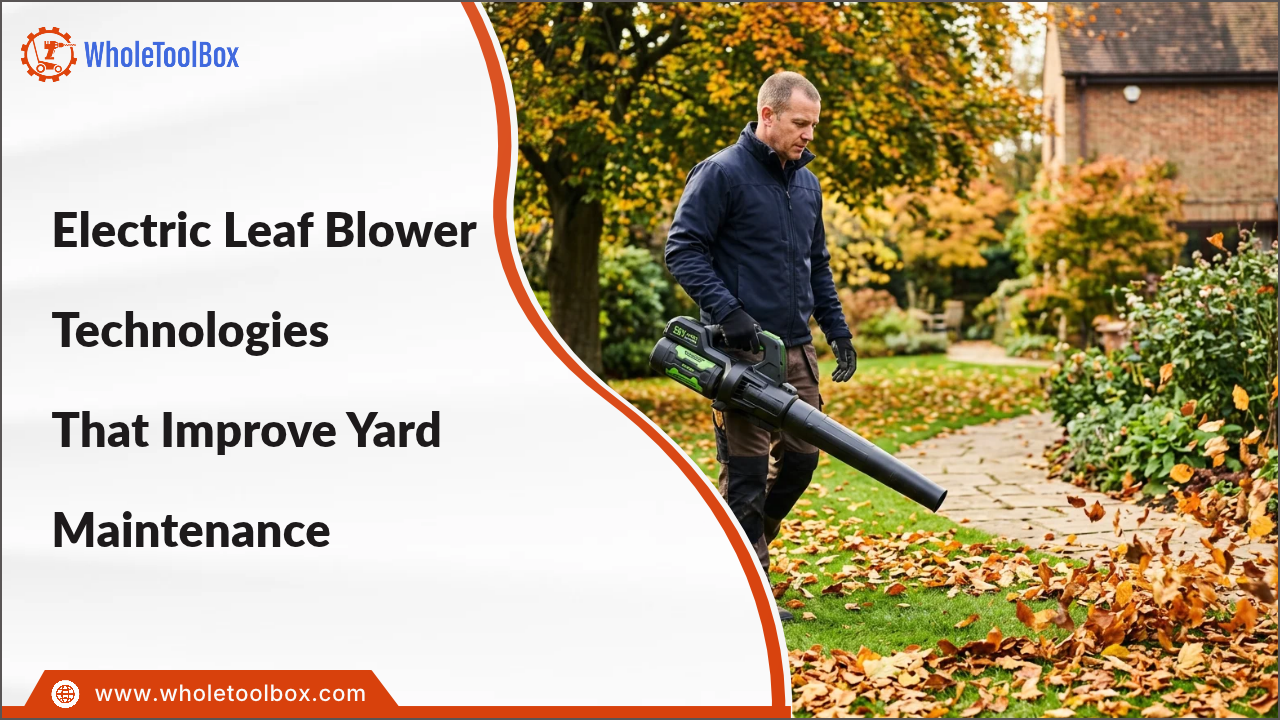
Electric Leaf Blower Technologies That Improve Yard Maintenance
Electric leaf blowers have evolved with improvements in battery systems, motor design, and airflow control. These technologies help homeowners and landscaping professionals clear leaves, grass clippings, and outdoor debris from lawns, driveways, patios, and garden paths.
Modern models offer features such as brushless motors, variable-speed triggers, adjustable nozzles, and boost modes. Understanding how these features work can help users select equipment that suits their yard size, cleanup requirements, and maintenance routine.
The technologies that most improve electric leaf blowers are brushless motors, higher-capacity lithium-ion batteries, variable-speed and boost controls, and better fan and nozzle design. Together they raise airflow, extend runtime, and cut maintenance.
How Electric Leaf Blower Technology Is Changing Yard Maintenance
Key Technologies That Improve Electric Leaf Blower Performance
How Airflow Design Affects Leaf Blower Cleaning Performance
Maintenance Practices That Keep Electric Leaf Blowers Working Efficiently
Summary: The Future of Electric Leaf Blowers in Smarter Yard Maintenance
FAQs
How Electric Leaf Blower Technology Is Changing Yard Maintenance
Electric leaf blowers use electric motors to generate airflow for moving leaves and loose debris. Improvements in battery capacity, motor efficiency, and operating controls have expanded their use in residential landscaping and professional grounds maintenance. The following developments explain how these tools support routine outdoor cleanup.
- Cordless Operation: Battery-powered blowers allow users to move around lawns, driveways, and garden beds without managing a power cord. Runtime depends on battery capacity, operating speed, and workload. According to The Farnsworth Group's 2026 Homeowner Perspectives on Outdoor Power Equipment Report, 78% of battery-powered equipment buyers considered runtime, charging time, or both when evaluating products. Battery models are also gaining ground because California Air Resources Board regulations require most new small off-road engines, including those in leaf blowers, to be zero-emission starting in 2024.
- Reduced Engine Maintenance: Electric models do not require engine oil changes, spark plug replacements, or carburetor servicing. Users still need to clean air openings, inspect components, and maintain batteries according to manufacturer instructions.
- Adjustable Airflow: Variable-speed triggers and cruise-control settings help users match airflow to the debris and surface being cleaned.
- Flexible Equipment Options: Lightweight handheld models suit smaller yards and occasional cleanup, while higher-output handheld and backpack blowers can support larger properties and longer work sessions.
- Noise Considerations: Battery-powered leaf blowers generally produce less noise than comparable gasoline models. A 2026 US test by WIRED recorded noise levels of 78.6–95.2 dBA at 30 inches, depending on the model and operating mode. Users should check manufacturer noise ratings and local noise restrictions. Manufacturers usually rate noise at 50 feet under the ANSI B175.2 standard, so compare figures measured the same way.
See how an advanced 720 CFM leaf blower combines high airflow with a lightweight design.
Key Technologies That Improve Electric Leaf Blower Performance
Electric leaf blower performance depends on how the motor, battery, electronic controls, and fan system work together. Understanding these components helps users compare models according to power requirements, runtime, handling, and operating convenience. The technologies below contribute to differences in performance and usability.
- Brushless Motors: Brushless motors use electronic switching instead of physical brushes to control motor operation. This design eliminates brush-related wear and can improve efficiency while reducing routine motor maintenance.
- Lithium-Ion Batteries: Rechargeable lithium-ion batteries supply power for cordless operation. Battery capacity, condition, temperature, and the selected power setting influence runtime. Most platforms run at 18V/20V to 80V, and capacity (Ah) largely determines runtime; higher voltage generally supports higher airflow.
- Variable-Speed Controls: Adjustable triggers allow users to increase or reduce airflow according to the task. Lower settings can help conserve battery charge when clearing light debris.
- Boost Modes: Some models provide a temporary high-power setting for stubborn debris or heavier accumulations of leaves. Using boost continuously may reduce runtime.
- Digital Displays and Cruise Control: Available on selected models, these features help users monitor battery status or maintain a chosen operating speed during repetitive cleanup.
- Ergonomic Design: Balanced weight distribution, comfortable grips, and adjustable blower tubes can improve handling and reduce strain during extended use.
- Compatible Battery Platforms: Some manufacturers offer batteries that work across multiple compatible outdoor power tools. Checking voltage, battery compatibility, and charger requirements before purchasing can help users plan their equipment setup.
Find out how to choose the best leaf blower for your lawn without overspending on unnecessary features.
How Airflow Design Affects Leaf Blower Cleaning Performance
Airflow design influences how effectively a blower moves leaves and other loose debris. Air volume, airspeed, fan construction, and nozzle shape each contribute to performance, so users should consider these factors together rather than relying on a single specification. The main airflow characteristics that affect cleaning results are explained below.
- Air Volume (CFM): Cubic feet per minute measures the volume of air delivered by a blower. Higher airflow volume can help move larger quantities of loose leaves across lawns and open surfaces. Cordless handheld models typically deliver about 400–800 CFM, while battery backpack models can exceed 1,000 CFM.
- Air Speed (MPH): Miles per hour measures airspeed. A concentrated, high-speed air stream can help dislodge debris from edges, corners, and narrow gaps. Most models produce 100–200 MPH. CFM moves volume while MPH breaks debris loose, so wet or matted leaves need both.
- Fan Design: Fan diameter, blade geometry, and the internal airflow path affect how air moves through the tool. Efficient designs aim to deliver useful airflow while keeping the blower practical to handle.
- Nozzle Shape: Narrow nozzles concentrate airflow for targeted cleaning, while wider outlets distribute air across a broader area. The available configurations depend on the model.
- Airflow Adjustment: Variable-speed settings help users adapt the blower to different surfaces and debris conditions without using maximum power for every task.
- Surface and Debris Type: Dry leaves are generally easier to move than wet, compacted leaves. Grass, gravel, mulch, and lightweight decorative materials may require lower airflow to avoid scattering or displacement.
- Cleaning Technique: Directing air at a shallow angle toward a collection area can help move leaves in a controlled direction. Working in sections also reduces the chance of scattering debris into already-cleared areas.
Maintenance Practices That Keep Electric Leaf Blowers Working Efficiently
Routine maintenance helps electric leaf blowers maintain airflow and operate safely. Although these tools require less engine-related servicing than gasoline models, debris buildup, battery damage, and worn components can still affect performance. The following practices help keep equipment in suitable working condition.
- Clean Air Intakes and Vents: Remove leaves, grass clippings, and dust from accessible openings using a soft brush or dry cloth. Blocked vents can restrict airflow and interfere with cooling.
- Inspect the Nozzle and Housing: Check for cracks, loose attachments, and visible damage before use. Ensure the leaf blower tube is securely fitted according to the manufacturer's instructions.
- Maintain the Battery: Use a compatible charger, keep battery contacts clean and dry, and follow the manufacturer's recommendations for charging and storage temperatures. Many manufacturers recommend storing batteries partly charged in a cool, dry place and not charging them below freezing.
- Check for Unusual Operation: Stop using the blower if it develops unusual vibration, grinding sounds, intermittent power, or a sudden loss of airflow. Consult the manufacturer's troubleshooting instructions before resuming use.
- Store Equipment Properly: Keep the blower in a dry, secure location away from excessive heat and moisture. Remove the battery for storage when recommended by the manufacturer.
- Follow Safe Cleaning Procedures: Switch off the blower and remove the battery or disconnect the power source before cleaning or inspecting it. Never insert fingers or tools into the fan assembly.
- Use Approved Replacement Parts: When a component becomes damaged, confirm the exact model and part compatibility before ordering a leaf blower replacement.
Summary: The Future of Electric Leaf Blowers in Smarter Yard Maintenance
Electric leaf blowers continue to improve through advances in motor efficiency, battery technology, and airflow control. These features help homeowners and landscaping professionals manage outdoor cleanup according to their yard size and debris conditions. Proper maintenance and equipment selection also support safe, efficient operation.
Key Takeaways
- Brushless motors reduce brush-related wear and can improve motor efficiency.
- Battery capacity, power settings, and workload determine runtime per charge.
- Variable-speed triggers, boost modes, and cruise control provide greater operating flexibility.
- CFM, MPH, fan construction, and nozzle shape influence debris-clearing performance.
- Cleaning vents, inspecting components, and caring for batteries help maintain performance.
- Comparing runtime, airflow ratings, handling, and model compatibility helps users choose a blower suited to their yard maintenance needs.
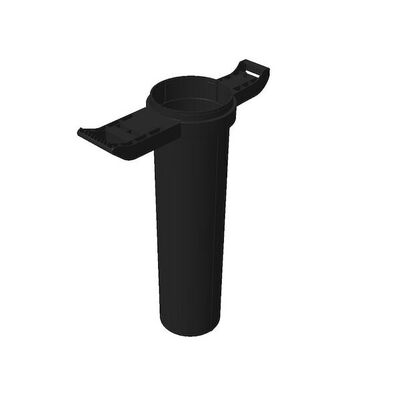
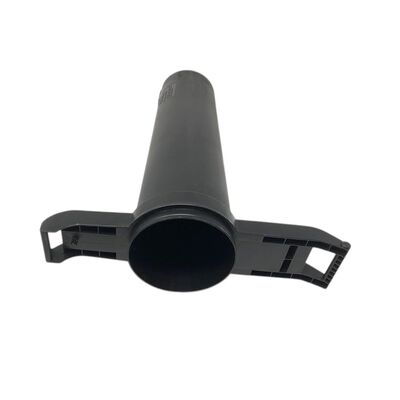
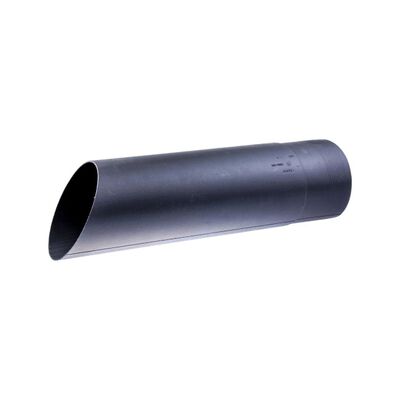
Looking for parts to keep your electric leaf blower running smoothly? WholeToolBox offers blower tubes, nozzles, fan impellers, switches, and batteries and chargers for leading outdoor power brands.
References:
https://www.thefarnsworthgroup.com/landing-page/ope-report
https://www.wired.com/story/best-battery-powered-leaf-blowers/
https://ww2.arb.ca.gov/node/16486
FAQs
How long does an electric leaf blower battery typically last per charge?
An electric leaf blower battery typically lasts 10–60 minutes per charge, depending on battery capacity, power settings, model, and workload. Higher-speed settings generally reduce runtime. Running continuously on boost can drain a battery in under 15 minutes.
What air speed is suitable for clearing wet leaves?
For wet leaves, look for a blower that delivers roughly 150 MPH or more together with at least 500 CFM, because moisture makes leaves heavier. A higher-output blower may move lightly damp leaves, but heavily saturated or compacted piles may require manual removal. CFM and nozzle design also affect performance.
Are brushless electric leaf blowers better than brushed models?
Brushless electric leaf blowers eliminate brush-related wear and can offer better energy efficiency and reduced maintenance. However, overall performance also depends on battery capacity, airflow design, and build quality.
Are electric leaf blowers as powerful as gas blowers?
High-end battery backpack models now approach gas backpack airflow, but runtime is limited by the battery, so large properties may need spare batteries.