How to Replace a Campbell Hausfeld Air Compressor Motor: Step-by-Step Guide
Is your Campbell Hausfeld air compressor motor struggling to start, overheating, or failing to maintain consistent performance? A faulty motor can reduce air output and disrupt the operation of connected pneumatic tools.
Replacing the motor requires identifying the underlying problem, choosing a compatible replacement, and following the correct installation procedure. Proper compressor performance is also important for maintaining consistent operation of connected power tool parts.
This blog covers common motor problems and warning signs, step-by-step motor replacement, and post-installation testing to help restore smooth and efficient compressor operation.
|
Table of Contents: |
Understanding the Role of a Campbell Hausfeld Air Compressor Motor in Pneumatic Power Tools
The motor provides the power required to run the compressor pump, which compresses and stores air for pneumatic tools. The motor and pump combination directly affects airflow, pressure output, and overall compressor performance. Campbell Hausfeld compressors use two common motor configurations:
- Belt-Driven System: Uses a V-belt and pulley to transfer power from the motor to the pump. This design helps reduce vibration and allows easier maintenance.
- Direct-Drive System: Connects the motor shaft directly to the pump, creating a compact setup with fewer moving parts.
A properly matched motor ensures efficient compressor operation and consistent air delivery for pneumatic tools. Selecting the correct motor specifications helps prevent overheating, excess load, and premature component failure.
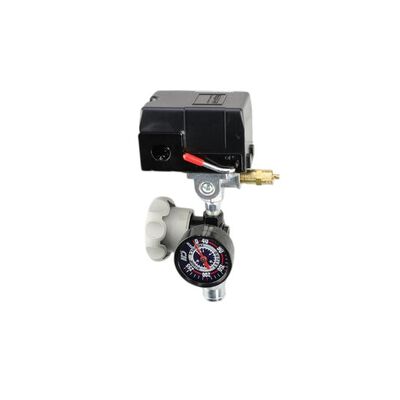
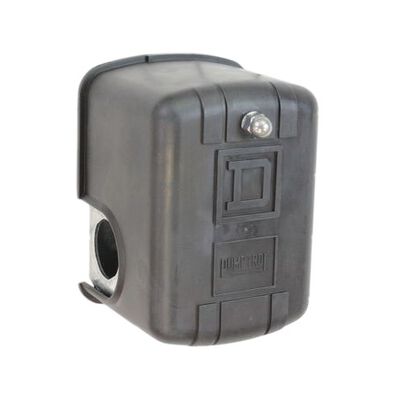
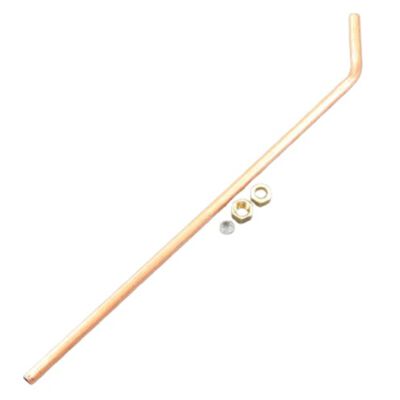
Shop Campbell Hausfeld replacement parts at WholeToolBox. We offer high-quality pressure switches, compressor discharge tubes, exhaust tube kits, valve plate assemblies, compressor flywheels, and air filter assemblies to help maintain proper compressor performance and support routine repairs.
Common Campbell Hausfeld Air Compressor Motor Problems and Performance Warning Signs
Below are the most common motor issues, their warning signs, and solutions to help identify and resolve problems quickly.
Problem: Motor Runs but Does Not Start
The motor receives power but cannot generate enough starting torque to rotate. This issue is commonly caused by a failed start capacitor, damaged starting components, or loose wiring connections.
- Warning Signs: A faulty motor may produce a continuous humming sound without starting, fail to rotate, become hot after repeated attempts, or cause the circuit breaker and thermal overload protector to trip.
- Solution: Inspect the start capacitor for swelling, leakage, or damage and test its performance. Replace a defective capacitor with the correct-rated replacement, then check the motor wiring and starting circuit for additional faults.
Problem: Motor Overheats or Produces Smoke
The motor overheats when it operates under excessive electrical or mechanical stress. Poor ventilation, a faulty centrifugal switch, or increased compressor load can cause the motor temperature to rise beyond safe levels.
- Warning Signs: Common signs include excessive heat from the motor housing, a burning smell, smoke during operation, or automatic shutdown caused by the thermal overload protector.
- Solution: Clean blocked ventilation areas, inspect the centrifugal switch and electrical contacts, and check the compressor system for excessive mechanical resistance. Replace damaged components and correct the source of the overload to prevent repeated overheating.
Problem: Motor Struggles to Restart
The motor may struggle to restart when it cannot overcome pressure buildup or mechanical resistance inside the compressor system. A faulty unloader valve or check valve can increase the starting load on the motor.
- Warning Signs: The compressor may start normally with an empty tank but struggle, hum, or trip the breaker when restarting with air pressure remaining in the tank.
- Solution: Inspect the unloader valve to ensure it releases trapped pressure after shutdown and check the check valve for leaks or blockage. Repair or replace faulty valves to reduce startup resistance and improve motor performance.
Problem: Frequent Breaker Trips
Frequent breaker trips occur when the motor draws excessive current due to electrical issues, incorrect voltage supply, worn components, or excessive compressor load.
- Warning Signs: The compressor may repeatedly trip the breaker during startup or operation, stop unexpectedly, or show reduced performance due to electrical overload.
- Solution: Check the start capacitor, motor wiring, power supply, and compressor pump condition. Identify and fix the underlying cause before replacing the motor, as breaker trips do not always indicate motor failure.
How to Replace a Campbell Hausfeld Air Compressor Motor
Below are the essential steps to safely replace the motor and ensure it works correctly with the compressor system.
Step 1: Shut Down and Depressurize
Disconnect the compressor from power and follow lockout/tagout procedures. Open the receiver tank drain and release all air until the pressure gauge reads zero. Safely discharge and verify any stored capacitor energy before handling wiring.
Step 2: Remove the Belt and Motor
Remove the belt guard, loosen the motor mounting bolts, and move the motor toward the pump to release belt tension. Remove the belt, then mark the pulley position before removing it with a suitable puller, if needed.
Step 3: Disconnect the Motor Wiring
Open the motor connection box and label the wires before disconnecting them. Remove the power and ground connections, then disconnect the conduit or cable. Use the replacement motor's wiring diagram for reconnection.
Step 4: Select a Compatible Motor
Match the replacement motor to the compressor's frame size, horsepower, voltage, phase, amperage, shaft dimensions, and mounting configuration. Incorrect specifications can cause overheating, poor performance, or installation problems.
Step 5: Install and Align the Motor
Mount the replacement motor and install the pulley with its key. Align the motor pulley with the compressor flywheel using a straightedge. Set the correct belt tension, then tighten the mounting bolts evenly.
Step 6: Reconnect the Wiring
Wire the motor according to its nameplate and wiring diagram. Connect and secure the ground wire, insulate all connections, and replace the connection box cover. Before starting, check the wiring, mounting bolts, pulley alignment, belt tension, and belt guard.
Check out air compressor installation made easy: a step-by-step guide for safe and efficient setup
How to Test an Air Compressor After Motor Replacement
The image below shows the step-by-step testing procedure for an air compressor after motor replacement, including oil and filter inspection, motor operation checks, pressure build-up verification, and air system leak inspection.
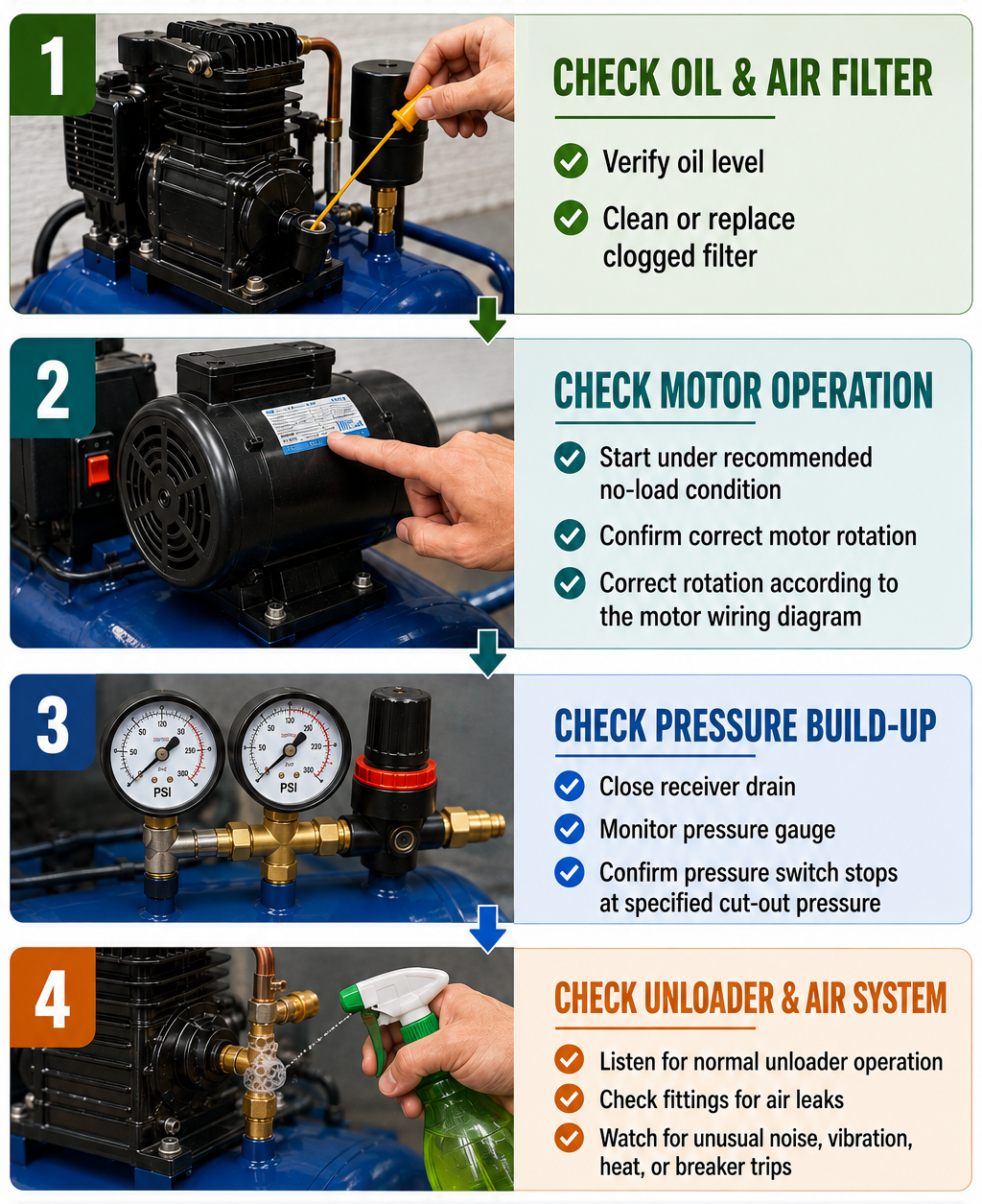
After completing these checks, run the compressor through one full cycle. Confirm smooth motor startup, steady pressure buildup, proper shutoff at the cut-out setting, and no unusual noises or air leaks.
A successful test ensures the new motor is correctly installed and operating properly with the compressor system, reducing the risk of overheating, failures, and downtime. Inspecting related air compressor parts during testing can also help identify leaks, abnormal noise, or other issues that may affect overall compressor performance.
Summary: Key Maintenance Tips for Long-Lasting Air Compressor Performance
Proper motor maintenance and correct installation help keep a Campbell Hausfeld air compressor operating efficiently. Regular inspections, timely repairs, and using compatible replacement parts can prevent motor failures and extend compressor service life.
Key Takeaways
- Inspect the motor regularly for overheating, unusual sounds, and performance issues.
- Keep ventilation openings clean to prevent excessive heat buildup.
- Check belts, pulleys, and mounting alignment for proper operation.
- Inspect electrical connections, capacitors, and wiring for signs of damage.
- Use the correct motor specifications when replacing damaged components.
- Drain moisture from the tank and follow routine compressor maintenance schedules.
FAQs
Where can I find replacement parts for an older Campbell Hausfeld air compressor?
You can find compatible Campbell Hausfeld air compressor parts at WholeToolBox. Check your compressor model and part number to ensure the correct replacement fit.
What is the average lifespan of a Campbell Hausfeld air compressor?
A Campbell Hausfeld air compressor can typically last 10 to 15 years with proper maintenance, including regular inspections, filter cleaning, lubrication, and timely part replacement.
|
Disclaimer: This article is for informational purposes only. Always follow proper safety procedures and manufacturer guidelines when replacing air compressor components. |